Uncategorized Archives | Page 2 of 2 | Hydrogengentech


November 21, 2025by Team HGPL0

Hydrogen cannot move, store, or perform efficiently without compression. Its low density, high diffusivity, and tendency to cause material embrittlement make compression a technically challenging but non-negotiable part of every hydrogen project. Whether hydrogen is produced through electrolysis, SMR, biomass gasification, ammonia cracking, or refinery off-gas, it must be compressed before it can be stored, transported, or dispensed.

Compression is essential in refueling stations, large industrial hydrogen plants, pipeline blending, and mobility hubs. A well-designed compression system directly influences energy efficiency, downstream system life, operational safety, and hydrogen delivery cost. This is why industries evaluate diaphragm, reciprocating, and screw compressors carefully, matching each technology to pressure, purity, and flow requirements.

What a Hydrogen Compression System Includes

A hydrogen compression system is more than a compressor. It is an engineered assembly built to manage pressure, temperature, purity, and hydrogen compatibility. Each system generally includes the compressor block, intercoolers for temperature control, dryers to remove moisture, high-pressure storage banks, safety instrumentation, and an integrated control system.

Because hydrogen embrittles certain metals and leaks easily through micro-gaps, materials for valves, seals, tubing, and vessels must follow hydrogen-compatible standards. As systems climb through 10–30 bar (low pressure), 100–350 bar (medium pressure), and 350–900 bar (high pressure), engineering precision becomes increasingly critical.

Industrial plants often select different technologies for different roles: screw compressors for low-pressure electrolyzer outlets, reciprocating compressors for bulk industrial duty, and diaphragm compressors for ultra-pure hydrogen or mobility-grade pressures.

Diaphragm Compressors: The Preferred Choice for High Purity and High Pressure

A diaphragm compressor uses a flexible metal diaphragm to separate hydrogen from hydraulic oil, creating a seal that prevents contamination. Because the hydrogen never contacts lubricants, the resulting gas purity makes this technology indispensable for sensitive hydrogen applications.

Diaphragm compressors routinely reach 200–900 bar, making them the standard for 350 bar (H35) and 700 bar (H70) hydrogen refueling systems. They are also chosen for electronics-grade hydrogen, specialized laboratories, and small mobility hubs where purity and leakage control are paramount.

Industries rely on diaphragm compressors for their zero-contamination operation, excellent sealing performance, and hydrogen embrittlement resistance. Although the technology carries a higher capital cost and limited flow rate, it remains unmatched for high-pressure, high-purity, and safety-sensitive hydrogen applications.

Reciprocating Piston Compressors: High Throughput for Industrial Hydrogen

Reciprocating compressors use pistons and multi-stage compression to achieve high pressure with substantial flow capacity. They are widely installed in refineries, petrochemicals, steel plants, blue hydrogen facilities, and large SMR-based hydrogen systems.

Standard reciprocating compressors achieve 350–450 bar, with specialized designs reaching 700 bar for mobility or storage applications. Their advantages include high throughput, established engineering standards, flexible configurations, and competitive cost per Nm³.

Because lubricants may enter the compression chamber, purity can be a concern for ultra-sensitive downstream processes. However, for bulk industrial hydrogen, pipeline injection, and large storage operations, reciprocating compressors remain the most cost-effective option.

Screw Compressors: Best Suited for Low-Pressure, High-Volume Hydrogen

Screw compressors operate using a pair of intermeshing rotors, either oil-injected or oil-free, to deliver a continuous flow of low-pressure hydrogen. Their pressure capability typically remains within 10–30 bar, making them ideal for electrolyzer outlet compression, industrial pipelines, ammonia plants, and hydrogen blending systems.

Industries select screw compressors for their steady flow, low vibration, simple operation, and suitability for large inlet volumes. They cannot deliver 350 bar or 700 bar hydrogen directly, so they are frequently used as a pre-compression stage before diaphragm or reciprocating compressors.

Their limitations include lower efficiency at high compression ratios and purity risks when oil-injected models are used without adequate cleanup stages.

High-Pressure Storage Systems: Cascades, Cylinders, and Buffers

Once hydrogen is compressed, it must be stored safely and efficiently. High-pressure storage typically includes Type I–IV cylinders, buffer banks, and cascade systems matched to the compressor’s performance and the application’s pressure requirement.

Mobility hydrogen requires 350 bar (H35) or 700 bar (H70) storage, while industrial users commonly operate between 150–300 bar. Proper integration of storage banks with compressors ensures stable filling sequences, thermal management, and optimal compression efficiency.

Because hydrogen heats significantly during fast-fill operations, mobility applications require sophisticated thermal control and precise filling algorithms to stay within safety limits.

Hydrogen Compression for Refueling Applications

Hydrogen refueling involves some of the most demanding compression architectures in the energy sector. At 350 bar, compression supports fuel-cell buses, trucks, forklifts, and industrial vehicles. Systems require inter-stage cooling, pre-cooling, and accurate pressure ramping to protect onboard tanks.

For 700 bar passenger vehicles, compression becomes more complex. Multi-stage diaphragm or hybrid systems, high-pressure cascade storage, and precise leak detection become essential. Every component must comply with ASME pressure vessel codes, IECEx hazardous area classifications, and ISO 19880 series standards for refueling infrastructure.

The quality of compression directly impacts vehicle range, safety, and station uptime, making compressor selection the most critical aspect of hydrogen refueling station design.

Compression for Industrial Hydrogen

Industrial hydrogen applications require compression strategies based on process conditions:

Pipeline injection involves delivering hydrogen into natural gas networks at matched pressure using screw compressors for inlet flow and reciprocating compressors for boosting.

Large hydrogen plants — including SMR, blue hydrogen with CO₂ capture, and multi-megawatt electrolyzer installations — rely on robust multi-stage reciprocating systems for bulk gas movement.

Mobility micro-grids and decentralized hubs use compact diaphragm units, hybrid screw + diaphragm systems, and skid-based modular solutions to deliver compressed hydrogen at scale in remote or distributed locations.

In each case, pressure, purity, equipment lifespan, and energy efficiency depend on selecting the right compression architecture.

Key Performance Factors in Hydrogen Compression

Every hydrogen compression system is evaluated based on compression efficiency, energy consumption, heat management, and flow stability. Hydrogen embrittlement risks shape the choice of materials, sealing technologies, and mechanical design. Maintenance cycles and lubrication systems influence operating reliability and lifecycle cost.

Instrumentation plays a central role: pressure and temperature sensors, isolation valves, vent lines, relief systems, leak detection units, and explosion-proof controls ensure safe operation under hydrogen’s demanding behavior.

High-pressure hydrogen requires unmatched engineering discipline, and systems are often customized to match the upstream and downstream processes.

Choosing the Right Hydrogen Compression Technology

Selecting the right compressor requires understanding the flow rate, purity requirement, target pressure, available utilities, and application. Diaphragm compressors are best for high pressure and high purity. Reciprocating compressors fit bulk industrial flow. Screw compressors excel in low-pressure hydrogen movement.

Hybrid systems — such as screw + diaphragm or reciprocating + diaphragm — are widely used to combine high inlet volume handling with ultra-high-pressure delivery.

As hydrogen projects scale, compression decisions become central to CAPEX, OPEX, energy efficiency, reliability, and overall hydrogen delivery cost.

Future Trends in Hydrogen Compression

Hydrogen compression is evolving rapidly with advancements in oil-free high-pressure compression, electrochemical hydrogen compressors, AI-driven monitoring, and fully modular mobility stations. EPC projects increasingly adopt skid-based systems where compression, storage, cooling, and dispensing are delivered as an integrated package — enabling faster deployment and improved standardization across the hydrogen ecosystem.

Hydrogen Gentech Private Limited designs and delivers hydrogen compression, purification, storage, and balance-of-plant systems for industrial and renewable hydrogen projects. With in-house fabrication capability and globally proven technology, HGPL supplies modular, skid-mounted compression systems suitable for electrolyzers, SMR-based plants, hydrogen mobility stations, and industrial hydrogen distribution.

HGPL manufactures pressure vessels, hydrogen storage banks, purification units, gas-lye separators, dryers, and engineered compressor skids built under ISO-aligned manufacturing practices. Their systems support pressure ranges from low-pressure electrolyzer compression to 350 bar and 700 bar mobility-grade solutions, enabling safe and efficient hydrogen delivery across multiple industries.

With projects delivered across India, the Middle East, Africa, and Asia, HGPL supports EPC contractors, hydrogen integrators, and industrial buyers who need reliable hydrogen compression systems that integrate smoothly with upstream and downstream plant components.


November 18, 2025by Team HGPL0

Moisture is one of the most persistent challenges in hydrogen handling. Hydrogen produced from electrolysis exits the stack saturated with water vapour, while hydrogen moving through compressors, storage tanks, and pipelines can accumulate additional humidity. This moisture is more than a minor impurity — it affects hydrogen purity, compressor safety, membrane performance, freezing conditions at high pressure, and the overall efficiency of industrial hydrogen systems.

As hydrogen adoption grows across electrolysis, mobility, industrial processing, and pipeline blending, drying becomes a mandatory conditioning step. Dew point — not just purity percentage — now defines the quality of hydrogen delivered to downstream units. Ultra-dry hydrogen is essential for fuel-cell applications, 350/700 bar refueling stations, PSA purification units, and large industrial hydrogen networks.

Dryers therefore play a central role in stabilizing hydrogen quality, ensuring equipment reliability, and enabling safe operation in the hydrogen value chain.

What a Hydrogen Drying System Does

A hydrogen drying system removes moisture from hydrogen and oxygen streams generated in electrolysis or recovered from industrial gas circuits. These systems are installed immediately after electrolyzers, compressors, purification units, and high-pressure storage banks. Their job is to consistently achieve dew points such as –40°C, –60°C, or even –70°C, depending on the application.

In hydrogen handling, dew point matters more than ppm moisture because dew point determines the risk of condensation, freezing, corrosion, membrane failure, and compressor wear. Drying systems use adsorption-based technologies — molecular sieve beds, activated alumina, or heatless / heat-reactivated cycles — to produce hydrogen that remains stable across pressure changes, cooling stages, and mobility applications.

Sources of Moisture in Hydrogen Streams

Electrolysis

Both PEM and alkaline electrolyzers generate saturated hydrogen, meaning the gas contains water vapour, aerosols, and fine droplets. Without drying, this moisture directly enters compressors, storage cylinders, and purification units.

Compression Stages

Hydrogen heats during compression and cools during intercooling. This temperature cycle increases moisture load because heated hydrogen holds more vapour, which then condenses during cooling.

Storage and Piping

Ambient ingress, trace leaks, and pressure swings can shift dew point. If hydrogen expands or cools rapidly, any residual moisture can condense or freeze — a major risk in mobility hydrogen systems.

Managing moisture at every transfer point is essential for plant reliability and downstream purity.

Types of Hydrogen Drying Technologies

Hydrogen drying uses a range of adsorption media and regeneration methods:

  • Molecular sieve dryers for ultra-low dew points
  • Activated alumina dryers for moderate moisture loads
  • Heatless (pressure swing) dryers for compact hydrogen systems
  • Heat-reactivated dryers for high flow and deep drying
  • Refrigeration pre-cooling, used only as pre-treatment

Each technology is selected based on dew point target, flow rate, pressure, and integration with electrolyzers or purification units.

Molecular Sieve Dryers: Deep-Dew-Point Performance for High-Purity Hydrogen

Molecular sieve dryers use microporous crystalline structures to adsorb water molecules selectively. Zeolite media such as 3A, 4A, and 5A offer highly controlled adsorption, delivering dew points as low as –60°C to –100°C.

These dryers are essential for:

  • Fuel-cell hydrogen production
  • Mobility hydrogen stations
  • Industrial gas bottling plants
  • Refinery-grade hydrogen drying
  • Paired hydrogen–oxygen drying systems in electrolyzer skids

Their advantages include extremely low dew points, stability at high pressure, long media life, and negligible contamination risk. They are, however, sensitive to oil or heavy hydrocarbons and require periodic regeneration.

Activated Alumina Dryers: Reliable Drying for Electrolyzer Outlets

Activated alumina offers a high surface area for physical and chemical adsorption of water vapour. Dew points typically fall between –40°C and –50°C, making it ideal for moderate drying loads.

Industries use activated alumina dryers for:

  • Electrolyzer outlet conditioning
  • Pre-treatment ahead of PSA purification
  • Compressor protection

Their simplicity, mechanical strength, and cost efficiency make them popular. They do not, however, achieve ultra-low dew points required for fuel-cell-grade hydrogen.

Heatless (Pressure Swing) Dryers: Compact and Continuous Operation

Heatless dryers use two adsorption towers — one drying hydrogen under pressure while the other regenerates using dry purge gas. They deliver dew points around –40°C to –60°C, ideal for small and medium-sized electrolyzer setups.

They support:

  • On-site hydrogen generation
  • Compressor inlet protection
  • Decentralized industrial hydrogen skids

Their benefits include modularity, low capex, and heater-free operation. The trade-off is purge loss, typically 10–18%, and limited ultra-low dew-point performance.

Heat-Reactivated Dryers: Stable Deep Drying for High Flow Systems

Heat-reactivated dryers regenerate adsorption media using electrical or steam heating. They reach dew points between –60°C and –80°C, making them suitable for large-scale electrolyzers, central hydrogen processing units, pipelines, and storage farms.

These dryers offer lower purge losses and stable deep drying across high flows, though they require higher energy input and more advanced controls.

Dew Point Measurement and Monitoring

Dew point measurement ensures hydrogen remains within safe and functional moisture levels. A plant may use:

  • Chilled mirror analyzers for high accuracy
  • Capacitive sensors for continuous monitoring
  • Laser moisture analyzers for ultra-low dew points

Accurate dew point monitoring protects compressors from flooding, prevents freezing at 350/700 bar mobility stations, and ensures purification units such as PSA and membranes operate within design limits.

Why Moisture Control Is Critical in Electrolysis Systems

Electrolyzers are the biggest contributors to moisture in hydrogen streams. Water carryover can:

  • Flood compressor stages
  • Trigger corrosion and mechanical wear
  • Reduce PEM membrane lifespan
  • Cause purity drift and system alarms

For fuel-cell-grade hydrogen, dew point failures can shut down dispensing stations and damage high-pressure components. Ultra-dry hydrogen is mandatory to prevent freezing at 350 bar and 700 bar refueling temperatures, where even small moisture traces can form ice in valves and orifices.

Why Moisture Control Is Critical in Industrial Hydrogen

Moisture affects industrial hydrogen through compressor degradation, freezing risks, and impurity drift.

Compressor Safety and Efficiency

Moisture increases piston wear, valve sticking, and hydraulic fluid deterioration. In high-pressure compressors, condensation can cause severe mechanical stress.

High-Purity Application Protection

Industries such as semiconductors, specialty gases, and glass manufacturing require ultra-dry hydrogen to maintain product quality.

Freezing Prevention

Cryogenic purification, liquefaction, and intercooling processes depend on hydrogen that will not freeze under rapid temperature shifts.

Choosing the Right Hydrogen Dryer

Dryer selection depends on dew point target, flow, pressure, moisture load, and integration with electrolyzers or purification stages.

  • Molecular sieves for ultra-dry hydrogen
  • Activated alumina for electrolyzer outlet drying
  • Heatless dryers for compact setups
  • Heat-reactivated dryers for high flows and humid climates

Energy consumption, purge loss, regeneration method, and media reliability play a major role in Opex and lifecycle cost.

Future Trends in Hydrogen Drying

The hydrogen sector is rapidly moving toward smart dew-point control, hybrid drying systems, and advanced adsorbents capable of deeper and more stable moisture removal. Integrated drying solutions packaged with electrolyzer and BOP skids are becoming standard as hydrogen production decentralizes. AI-driven predictive maintenance now helps optimize regeneration cycles and media changeover schedules.

About Hydrogen Gentech Private Limited (HGPL)

Hydrogen Gentech Private Limited designs and manufactures hydrogen drying systems, purification units, storage skids, and complete balance-of-plant solutions for industrial hydrogen projects. HGPL builds molecular sieve dryers, activated alumina dryers, and integrated hydrogen–oxygen drying systems for electrolyzer plants, mobility hydrogen stations, refinery hydrogen circuits, and specialty gas production.

With in-house fabrication, ISO-aligned manufacturing processes, and globally proven technology, HGPL delivers drying systems capable of achieving dew points as low as –60°C, –70°C, and –80°C, depending on application requirements. The company supports hydrogen developers across India, the Middle East, Africa, and Asia, delivering modular skid-mounted solutions that integrate seamlessly with electrolyzers, compressors, storages, and purification units.

If you require hydrogen or oxygen drying for electrolysis, mobility hydrogen, industrial bottling, or purification systems, Hydrogen Gentech can design the right adsorption or regeneration architecture for your dew point and flow requirements.
HGPL’s engineering team provides complete support — from sizing and media selection to skid 


October 30, 2025by Team HGPL0

Hydrogen fuel cells are no longer a concept of the future. Across global transport sectors, this clean energy technology is reshaping how industries approach mobility, logistics, and infrastructure development. For original equipment manufacturers (OEMs), fleet operators, and governments seeking to decarbonize their systems, hydrogen fuel cells present a powerful opportunity to shift away from fossil fuels while maintaining range, efficiency, and performance.

Understanding Hydrogen Fuel Cells

A hydrogen fuel cell is an electrochemical device that converts hydrogen gas and oxygen into electricity, producing only water and heat as byproducts. Unlike internal combustion engines, fuel cells generate energy without combustion, offering a completely emissions-free process at the point of use. In industrial and commercial applications, fuel cells are configured into stacks that can power everything from forklifts to trains, trucks, and passenger vehicles.

The global push toward clean mobility—driven by climate targets, fuel price volatility, and regulatory mandates—is accelerating fuel cell research, development, and adoption. As technologies mature and hydrogen supply chains evolve, sectors dependent on high-duty, long-range, or fast-refueling requirements are turning to hydrogen as a strategic solution.

Why Hydrogen Fuel Cells Suit Heavy Transport Better Than Batteries

Battery-electric vehicles (BEVs) have dominated light-duty electric transport. However, they face key limitations when scaled to heavier transport categories. Long charging times, high battery weight, limited range, and infrastructure gaps make BEVs impractical for heavy-duty logistics and commercial transport.

Hydrogen fuel cells overcome these barriers. Refueling can be completed in minutes, range is comparable to diesel, and vehicle payloads are not significantly reduced. This makes them ideal for sectors like long-haul trucking, railways, marine shipping, aviation, and public transport fleets that require fast turnaround, extended operations, and minimal downtime.

Real-World Applications of Hydrogen Fuel Cells in Transport

1. Road Freight and Commercial Trucking

Long-haul trucking is one of the largest contributors to transport emissions. Hydrogen-powered trucks offer a clear path to decarbonize this segment without compromising range or cargo capacity. Companies like Hyundai, Nikola, and Toyota have already rolled out hydrogen-powered heavy trucks, while pilot projects in India aim to localize technology for domestic needs.

Hydrogen Gentech and other EPC providers play a critical role here by supplying on-site hydrogen generation, purification, and refueling systems to logistics hubs. The use of modular hydrogen refueling stations allows fleet operators to manage fuel costs, availability, and operational continuity without relying on a central grid or fuel supplier.

2. Railways and Industrial Locomotion

Hydrogen-powered trains are gaining momentum globally, particularly in regions where electrification of tracks is not feasible. Fuel cell-powered locomotives reduce infrastructure costs while maintaining sustainable operations. Germany has already commissioned hydrogen passenger trains (Coradia iLint), while Indian Railways is actively testing hydrogen train prototypes.

For industrial freight movement within steel plants, cement factories, and mining zones, hydrogen-fueled locomotives offer clean alternatives to diesel-powered shunters. In such applications, hydrogen generation can be set up on-site using solar energy and electrolyzers, ensuring energy independence and cost efficiency.

3. Public Transportation and Urban Mobility

Metropolitan cities are adopting hydrogen buses as part of their green mobility roadmaps. Unlike battery buses that require hours of charging, hydrogen buses can refuel quickly and deliver longer daily runtimes. Cities like Tokyo, Seoul, and New Delhi have initiated pilot programs to test the feasibility of hydrogen in public transport fleets.

For B2B stakeholders, including transit authorities and urban EPC planners, investing in hydrogen refueling infrastructure creates a future-ready backbone for broader hydrogen economy adoption.

4. Aviation and Maritime Applications

Hydrogen is also being explored in sectors where electrification is either technologically unviable or economically infeasible. In aviation, companies like ZeroAvia and Airbus are experimenting with hydrogen-powered aircraft for short-haul and cargo segments. Similarly, in maritime transport, hydrogen is emerging as a key propulsion method for ferries, tankers, and inland vessels.

The scalability of hydrogen production and storage solutions at ports and terminals ensures that fuel cell integration becomes feasible without extensive infrastructural overhauls. With the International Maritime Organization (IMO) tightening emissions norms, hydrogen adoption in shipping could accelerate rapidly.

India’s Hydrogen Mobility Push: A Strategic Inflection Point

India’s National Green Hydrogen Mission has set clear targets to develop indigenous hydrogen production and consumption capabilities. With rising urban populations, logistical bottlenecks, and growing energy imports, the country views hydrogen mobility as a strategic priority.

Public and private collaborations are underway to pilot fuel cell electric buses (FCEBs), hydrogen trucks, and refueling stations. States like Gujarat, Maharashtra, and Karnataka are exploring hydrogen corridors where freight and passenger vehicles can operate end-to-end on hydrogen fuel.

EPC players and hydrogen solution providers like HGPL are crucial in making these pilot projects bankable by ensuring that hydrogen generation, purification, and distribution are reliable, safe, and cost-effective.

Key Benefits for Industrial and Mobility Stakeholders

Hydrogen fuel cells provide more than just emission reductions. They represent a long-term operating advantage in terms of fuel stability, operational uptime, and regulatory alignment. Industries that transition early to hydrogen-powered fleets can benefit from carbon credits, enhanced brand equity, and early-mover supply chain advantages.

Hydrogen’s scalability across different transport verticals also means that infrastructure investments can serve multiple use cases—from industrial haulage and city buses to inter-city logistics and marine ports. Modular refueling setups, combined with automation and real-time monitoring, simplify adoption while reducing lifecycle costs.

Addressing the Challenges

Despite the promise, challenges persist. Hydrogen fuel cells currently carry higher upfront costs than diesel or battery alternatives. Fuel availability, public awareness, and safety concerns also pose adoption hurdles. However, falling electrolyzer prices, rising fossil fuel taxes, and stronger policy incentives are rapidly closing the gap.

Moreover, with the emergence of green hydrogen production hubs and advancements in BoP (Balance of Plant) systems, businesses can now deploy localized, cost-controlled hydrogen solutions without relying on national grids.

Conclusion: The Future Is Hydrogen-Driven

Hydrogen fuel cells are reshaping the landscape of transport—particularly for sectors where battery electric solutions fall short. For fleet operators, EPC contractors, and logistics companies looking to future-proof their operations, hydrogen presents a path forward that balances environmental responsibility with commercial viability.

As the technology matures and infrastructure scales up, hydrogen fuel cells will power not just vehicles but also the competitive edge of tomorrow’s transport leaders.

Hydrogen Gentech Private Limited (HGPL) provides turnkey hydrogen generation, purification, and refueling solutions tailored for industrial transport applications. Connect with our experts to explore how hydrogen can transform your mobility strategy.


October 30, 2025by Team HGPL0

Green hydrogen is emerging as a cornerstone of the global energy transition. Unlike conventional hydrogen, which relies on fossil fuels, green hydrogen is produced using renewable energy sources—making it a truly sustainable and zero-emission fuel. Understanding how green hydrogen is generated is key for industries, governments, and energy stakeholders seeking to decarbonize operations and align with climate goals.

What Is Green Hydrogen?

Green hydrogen refers to hydrogen gas produced via electrolysis, powered by renewable energy such as solar, wind, or hydropower. Electrolysis is a process that splits water (H₂O) into its two components—hydrogen (H₂) and oxygen (O₂)—using an electric current. When that electricity comes from a renewable source, the hydrogen produced carries no carbon footprint.

In contrast, grey hydrogen (from natural gas without carbon capture) and blue hydrogen (from natural gas with carbon capture and storage) contribute to greenhouse gas emissions, despite their widespread use.

The Electrolysis Process Explained

At the heart of green hydrogen production is the electrolyzer—a device that performs the electrolysis reaction. Water is fed into the electrolyzer, and when powered by renewable electricity, it separates into hydrogen and oxygen. The hydrogen is collected, purified, and stored, while the oxygen is typically vented or used for secondary applications.

There are three main types of electrolyzers used today:

1. Alkaline Electrolyzers

Alkaline water electrolysis is the most mature and widely used technology. It uses a liquid alkaline electrolyte (usually potassium hydroxide) and operates at relatively low costs. This is the system most commonly deployed in industrial settings.

2. PEM (Proton Exchange Membrane) Electrolyzers

PEM electrolyzers use a solid polymer membrane as the electrolyte. They are compact, respond quickly to power fluctuations, and are ideal for integration with intermittent renewable sources like solar or wind.

3. Solid Oxide Electrolyzers (SOE)

Still in the early stages of commercialization, SOEs operate at high temperatures (above 700°C) and can achieve very high efficiencies. They are promising for future integration with industrial waste heat sources.

Role of Renewable Energy

The viability of green hydrogen hinges on the availability and cost of renewable electricity. In regions like India, the Middle East, and parts of Europe, falling solar and wind power tariffs have made green hydrogen production increasingly feasible. By co-locating hydrogen generation facilities near renewable farms, transmission losses can be minimized.

Energy storage is another key benefit. When solar or wind generation exceeds demand, excess electricity can be redirected to electrolyzers, storing energy in the form of hydrogen.

Balance of Plant (BoP) for Hydrogen Production

Beyond the electrolyzer, green hydrogen production systems require several auxiliary components:

  • Water Purification Units: Feedwater must be demineralized to protect the electrolyzer.

  • Gas-Lye Separators: Used to separate the hydrogen gas from liquid electrolytes.

  • Purification Systems: Remove moisture and residual oxygen to achieve purity levels up to 99.999%.

  • Compression & Storage: Hydrogen must be compressed for storage or transport, often up to 350–700 bar.

  • Control Panels: PLC/SCADA-based control systems ensure safe, automated operation.

Companies like Hydrogen Gentech (HGPL) specialize in designing, engineering, and commissioning modular, skid-mounted BoP units that make on-site hydrogen generation more practical and scalable for industries.

Water Requirements and Sources

Producing 1 kg of hydrogen via electrolysis requires about 9 liters of water. While this seems high, it is significantly less than water used in fossil fuel extraction, refining, and thermal power generation.

Non-potable sources such as industrial wastewater or seawater (with pre-treatment) are increasingly being explored to reduce strain on freshwater supplies.

Use of Green Hydrogen Across Sectors

Once generated, green hydrogen serves multiple industrial, mobility, and power sector applications:

  • Steel and Cement Plants: Fuel for high-temperature processes

  • Refineries and Chemicals: Feedstock for hydrotreating, ammonia, and methanol

  • Power Grid: Long-duration energy storage and fuel cells

  • Mobility: Hydrogen fuel cell electric vehicles (FCEVs) for buses, trucks, and trains

Challenges and Efficiency Considerations

While green hydrogen is clean, its production still faces certain challenges:

  • High CAPEX: Electrolyzers and BoP systems are capital-intensive

  • Energy Conversion Losses: Only about 65–70% of energy is retained during electrolysis

  • Water Access: Requires high-purity water, which may be scarce in some regions

  • Storage & Transport: Hydrogen’s low volumetric density demands specialized infrastructure

Future Outlook

Global investments in hydrogen infrastructure, technology innovation, and policy support are accelerating the green hydrogen economy. India’s National Green Hydrogen Mission, the EU Hydrogen Strategy, and U.S. tax incentives are all pushing toward commercial viability.

Local manufacturing of electrolyzers, standardization of BoP components, and cost reductions from economies of scale are expected to drive down green hydrogen production costs below $2/kg by 2030.

Green hydrogen production is a cornerstone of the future energy mix. Through electrolysis powered by renewable energy, hydrogen can be produced without emitting any greenhouse gases. From heavy industry to transportation and energy storage, green hydrogen holds the key to achieving global net-zero goals. For businesses and EPC players alike, understanding the nuances of its generation is the first step in making a strategic transition to clean energy.


September 27, 2025by Team HGPL0

The global energy transition is accelerating, and hydrogen has emerged as one of the most promising vectors for deep decarbonization. Among the different hydrogen production methods, water electrolysis for green hydrogen is gaining the most traction. It enables the production of hydrogen by splitting water into hydrogen and oxygen using electricity derived from renewable energy sources such as solar, wind, and hydropower.

Unlike conventional hydrogen production, which relies on natural gas reforming or coal gasification and emits significant amounts of CO₂, electrolysis powered by renewables is entirely carbon-free. This makes it a cornerstone technology for achieving net-zero targets, decarbonizing heavy industry, and creating new pathways for clean mobility.

This guide explains how water electrolysis works, the main electrolyzer technologies, system design considerations, economics, policy drivers, and the future roadmap for green hydrogen. It is structured to provide a complete, SEO-friendly resource for anyone researching or evaluating this field.

What is Water Electrolysis?

Water electrolysis is a process that splits water molecules (H₂O) into hydrogen (H₂) and oxygen (O₂) using an electric current. When powered by renewable energy, the hydrogen produced is classified as green hydrogen.

Why it matters:

  • It produces zero carbon emissions at the point of generation.
  • Hydrogen serves as a versatile fuel, feedstock, and energy carrier.
  • It enables decarbonization of sectors that cannot be electrified directly.

Process flow in simple terms:

Electricity → Electrolyzer → Hydrogen + Oxygen → Conditioning → Storage/Use

In practice, renewable electricity is converted into direct current (DC), passed through an electrolyzer, and splits purified water into hydrogen and oxygen gases. The hydrogen is then dried, purified, compressed, and stored or transported for downstream applications, while oxygen can be vented or captured for industrial use.

How Does Water Electrolysis Work?

Electrolysis is an electrochemical reaction composed of two half-reactions:

At the anode (positive electrode):
2H₂O → O₂ + 4H⁺ + 4e⁻

At the cathode (negative electrode):
4H⁺ + 4e⁻ → 2H₂

Overall reaction:
2H₂O → 2H₂ + O₂

Producing 1 kilogram of hydrogen requires about 39 kWh of electricity thermodynamically (based on lower heating value, LHV). However, due to inefficiencies in the electrolyzer and supporting systems, the actual requirement is 50–55 kWh/kg H₂.

Key components of the process include:

  • Power electronics: Convert AC grid power into DC current.
  • Electrolyzer stack: Where the water splitting occurs.
  • Balance of Plant (BOP): Includes cooling, gas purification, compression, drying, and storage.
  • Electrolysis efficiency, lifetime, and integration flexibility depend on the type of electrolyzer technology used.

Types of Electrolyzer Technologies

Several electrolyzer designs exist, each with different chemistries, costs, and maturity levels. The four main types are Alkaline (AEL), Proton Exchange Membrane (PEM), Anion Exchange Membrane (AEM), and Solid Oxide (SOEC).

Alkaline Electrolyzers (AEL)

Design: Uses a liquid alkaline electrolyte such as potassium hydroxide (KOH) or sodium hydroxide (NaOH). A diaphragm separates hydrogen and oxygen streams.

Advantages:

  • Proven, mature, and commercially available at large scales.
  • Lower capital cost compared to other technologies.
  • Long operating lifetime.

Limitations:

  • Larger footprint.
  • Slower response to variable power inputs.
  • Limited ability to operate efficiently under partial load.

Best suited for: Steady industrial hydrogen demand, integration with baseload renewables, and projects with large footprints.

Proton Exchange Membrane (PEM) Electrolyzers

Design: Uses a solid polymer membrane and precious metal catalysts such as platinum and iridium.

Advantages:

  • Compact footprint and high current density.
  • Fast ramping ability, ideal for solar and wind integration.
  • Can operate at differential pressures, reducing compression costs.

Limitations:

  • High capex due to platinum-group catalysts.
  • Requires ultrapure water to avoid contamination.
  • Care needed to manage oxygen crossover.

Best suited for: Green hydrogen fueling stations, grid balancing, and projects linked to variable renewables.

Anion Exchange Membrane (AEM) Electrolyzers

Design: Emerging hybrid concept combining alkaline chemistry with membrane technology.

Advantages:

  • Potential to reduce costs by avoiding precious metal catalysts.
  • Operates in alkaline environment.

Limitations:

  • Still in early R&D and pilot phases.
  • Durability and long-term stability remain challenges.

Best suited for: Pilot projects, early adopters testing low-cost electrolyzer solutions.

Solid Oxide Electrolyzers (SOEC)

Design: Operates at high temperatures (600–850°C) and uses steam as the feed.

Advantages:

  • Very high efficiency, especially when integrated with waste heat.
  • Ability to co-electrolyze H₂O and CO₂ to produce syngas.

Limitations:

  • Materials challenges at high temperatures.
  • Sensitive to thermal cycling.

Best suited for: Industrial facilities with high-grade heat and carbon capture integration.

System Architecture and Balance of Plant

An electrolyzer is only part of a hydrogen plant. A full system includes:

  • Power electronics: Transformers and rectifiers to supply stable DC current.
  • Water treatment: Reverse osmosis (RO), deionization, and polishing to provide high-purity water.
  • Thermal management: Cooling loops and heat exchangers to manage stack heat.
  • Gas handling: Drying, purification, compression, and booster systems.
  • Controls and safety: SCADA, alarms, emergency shutdowns, and data logging.
  • Layout: Skid-mounted or containerized modular systems for scalability.
  • The balance of plant often accounts for 50–60% of the total project capex.

Performance Metrics and Design Parameters

Electrolyzer performance is typically assessed using:

  • Energy consumption: 50–55 kWh/kg H₂ system-level.
  • Efficiency: 65–80% depending on stack type and operating conditions.
  • Durability: Voltage rise of ~10 mV per 1,000 hours indicates degradation.
  • Flexibility: PEM offers rapid ramping; alkaline is slower.
  • Hydrogen purity: 99.999% required for mobility (ISO/SAE standards).

Feedwater Quality and Consumption

Electrolyzers require extremely high-purity water to prevent contamination and membrane degradation.

  • Consumption: ~9 liters of deionized water per kg of hydrogen, plus additional for cooling and treatment losses.
  • Water treatment systems: RO, deionization, polishing filters.
  • Sustainability concern: Recycling blowdown and minimizing water footprint is critical for large projects.

Safety, Standards, and Compliance

Hydrogen production involves high-pressure gases, flammable materials, and oxygen by-products. Safety is paramount.

  • Hazards: Hydrogen leaks, oxygen enrichment, mixed gas risks.
  • Standards: ISO 22734 for electrolytic hydrogen, electrical and pressure vessel codes.
  • Safety measures: Leak detection, ventilation, purging, emergency shutdown systems, and trained operators.

Integration with Renewables and the Grid

Electrolyzers can stabilize grids by absorbing surplus renewable electricity.

  • PEM electrolyzers can ramp quickly, making them ideal for solar and wind.
  • On-grid vs off-grid: Some projects operate islanded with renewables plus batteries, while others remain grid-connected with power purchase agreements (PPAs).
  • Certificates of origin: Guarantee that the hydrogen is renewable.

Storage, Compression, and Distribution

Hydrogen must be stored and transported safely:

  • Compression: Typically to 350–700 bar for mobility applications.
  • Storage methods: Cylinders, tube trailers, underground caverns, or liquid hydrogen at cryogenic temperatures.
  • Alternative carriers: Liquid organic hydrogen carriers (LOHC) or metal hydrides.
  • Oxygen handling: Often vented, but industrial oxygen sales can add revenue.

Applications and Use Cases

Green hydrogen from electrolysis serves multiple industries:

  • Industrial feedstock: Fertilizers (ammonia), methanol, steelmaking, glass, and electronics.
  • Mobility: Fuel cell trucks, buses, trains, marine vessels, and future aviation fuels.
  • Energy storage: Long-duration storage, seasonal balancing, and backup power for hospitals or data centers.
  • On-site generation: Decentralized production for labs, refineries, or chemical plants.

Water electrolysis for green hydrogen is more than a technology—it is a pillar of the clean energy transition. It offers a scalable pathway to produce carbon-free hydrogen, integrate renewable energy, and decarbonize hard-to-abate sectors.

As technology matures and costs fall, green hydrogen will move from pilot projects to mainstream adoption. For governments, industries, and investors, the time to evaluate and deploy water electrolysis is now.

By understanding the technologies, economics, safety requirements, and policy landscape outlined in this guide, stakeholders can make informed decisions to accelerate the global shift to a net-zero energy system powered by green hydrogen.

FAQs

  • How much water is needed for hydrogen electrolysis?

    About 9 liters of deionized water per kilogram of hydrogen.

  • What purity is required for hydrogen mobility?

    99.999% hydrogen is required for fuel cells in vehicles.

  • Can electrolyzers follow solar and wind fluctuations?

    Yes—PEM systems can ramp rapidly, while alkaline systems are slower.

  • What causes electrolyzer degradation?

    Impurities, catalyst degradation, and membrane wear.

  • Is oxygen produced valuable?

    Yes, oxygen can be sold, though market demand varies.

  • Do incentives reduce hydrogen cost?

    Yes—policy support can lower LCOH by 30–50% in some regions.


August 6, 2025by Team HGPL0

Nitrogen and oxygen gases are essential to a wide range of industries—from pharmaceuticals and metallurgy to chemicals, electronics, and food packaging. These gases are extracted from ambient air, which contains approximately 78% nitrogen, 21% oxygen, and 1% other gases. The most common air separation technologies for nitrogen and oxygen generation are Pressure Swing Adsorption (PSA), Membrane Separation, and Cryogenic Distillation. Each method serves different purity, volume, and application needs. This article presents a comparative overview of how these technologies work, their key features, and which use cases they are best suited for.

1. Overview of Air Separation Technologies

Technology Principle Purity Range Capacity Range
PSA Adsorption of gases at pressure Nitrogen: up to 99.999% Small to medium plants (up to ~500 Nm³/h)
Membrane Separation Selective permeation through membranes Nitrogen: 95–99.5% Small to medium (10–2,000 Nm³/h)
Cryogenic Distillation Low-temperature fractional distillation Oxygen: up to 99.5%, Nitrogen: up to 99.999% Medium to large (≥500 Nm³/h)

2. Pressure Swing Adsorption (PSA)

Working Principle

PSA technology relies on the selective adsorption of gases under pressure. In nitrogen generation, compressed air is passed through vessels filled with carbon molecular sieves (CMS). These sieves preferentially adsorb oxygen, moisture, and CO₂, allowing nitrogen to pass through. For oxygen generation, zeolite adsorbents are used to trap nitrogen, allowing oxygen to exit as the product gas.

Operation

  • Adsorption: At high pressure, the desired component (either nitrogen or oxygen) remains unadsorbed and exits.
  • Desorption: Pressure is lowered to regenerate the adsorbent bed.
  • Cyclic Process: Twin beds operate in alternating cycles to ensure continuous production.

Features

  • Purity: Nitrogen up to 99.999%; Oxygen up to 95%
  • Start-up Time: ~30 minutes
  • Automation: Fully automatic with PLC control
  • Footprint: Compact; skid-mounted options available

Advantages

  • Low energy consumption
  • Simple operation and maintenance
  • Rapid deployment with modular systems

Limitations

  • Not suitable for ultra-high purity oxygen (>99.5%)
  • Performance sensitive to ambient temperature and humidity

Best Use Cases

  • Nitrogen for food packaging, laser cutting, inert blanketing
  • Oxygen for healthcare, small-scale water treatment, metallurgy

3. Membrane Separation

Working Principle

Membrane systems use selective gas permeation. Compressed air passes through hollow fiber or spiral-wound polymer membranes. Gases permeate at different rates based on their molecular size and solubility. Fast gases (O₂, H₂O, CO₂) pass through quickly, while slower gases (N₂) are retained.

Operation

  • Feed Air Compression: Air is dried and filtered.
  • Membrane Module: Air flows through semi-permeable membranes.
  • Separation: Faster gases exit as permeate; slower gases (like nitrogen) are collected as the product.

Features

  • Purity: Nitrogen: 95–99.5%; Oxygen: up to 45%
  • Start-up Time: Less than 5 minutes
  • Scalability: Easily expandable by adding membrane modules

Advantages

  • No moving parts in the separation stage
  • Fast start-up and shut-down
  • Low maintenance
  • Compact and portable

Limitations

  • Lower maximum purity than PSA or cryogenic
  • Performance degrades with humidity and high temperatures
  • Not suitable for oxygen generation beyond enriched air

Best Use Cases

  • Nitrogen for tire inflation, fire prevention, marine applications
  • Mobile and remote nitrogen units for oil & gas fields

4. Cryogenic Air Separation (ASU)

Working Principle

Cryogenic separation uses fractional distillation at very low temperatures. Air is compressed, cooled, and liquefied. The liquefied air is then separated into nitrogen, oxygen, and argon based on their boiling points.

Operation

  • Compression: Air is filtered and compressed.
  • Cooling & Liquefaction: Through a heat exchanger and expansion process.
  • Fractional Distillation: In a distillation column, oxygen is separated from nitrogen based on their volatility.
  • Storage/Delivery: Product gases are stored as liquid or compressed gas.

Features

  • Purity: Nitrogen and Oxygen up to 99.999%
  • Capacity: High-flow rates (>500 Nm³/h)
  • Integration: Can produce multiple gases (O₂, N₂, Ar)

Advantages

  • Highest purity and volume output
  • Best for liquid production
  • Continuous 24×7 operation with stable output

Limitations

  • High capital and operational cost
  • Long installation and commissioning time
  • Requires skilled operation and maintenance

Best Use Cases

  • Steel plants, chemical industries, refineries
  • Medical-grade oxygen supply for hospitals
  • LNG facilities and aerospace applications

5. Comparative Analysis

Parameter PSA Membrane Cryogenic ASU
Purity (N₂) Up to 99.999% Up to 99.5% Up to 99.999%
Purity (O₂) Up to 95% Up to 45% (not pure oxygen) Up to 99.5%
Capacity Range Small to Medium Small to Medium Medium to Large
Start-up Time 20–30 minutes <5 minutes 6–8 hours
Energy Consumption Low to Moderate Low High
Capex & Opex Low Very Low Very High
Maintenance Needs Moderate (valves, adsorbents) Low (membrane module replacement) High (compressors, turbines, cold box)
Use Case Flexibility Broad (industries, hospitals, labs) Mobile and remote units Industrial-scale and high-purity applications

6. Selection Criteria for End Users

To choose the right technology, consider:

  • Required Purity
  • Flow Rate
  • Footprint and Portability
  • Capital Budget
  • Downtime Tolerance
  • Use Case Specifics

Conclusion

Each air separation technology—PSA, membrane, and cryogenic—has a specific role in nitrogen and oxygen generation. PSA offers a balanced solution for purity and cost-efficiency. Membrane systems are ideal for mobile, rugged use where moderate purity is sufficient. Cryogenic ASUs dominate when ultra-high purity and volume are required. Understanding these distinctions allows industries to match technology to application, ensuring optimal performance, compliance, and return on investment.


July 28, 2025by Team HGPL0

As the demand for low-carbon hydrogen accelerates, the need for rapid, scalable, and cost-effective deployment models has become critical. Traditional stick-built hydrogen plants are often time-consuming to construct, capital-intensive, and difficult to scale or relocate. Skid-based hydrogen plants address these challenges through modular engineering. By integrating process units onto prefabricated skids, developers can reduce project timelines, improve standardization, and simplify installation across diverse industrial or mobility applications. This article explains what skid-based hydrogen plants are, how they are designed, and why modularity plays a central role in the future of green hydrogen deployment.

What is a Skid-Based Hydrogen Plant?

A skid-based hydrogen plant is a modular system in which all process equipment—such as electrolyzers, gas purification units, compressors, dryers, and control panels—is mounted on structural steel skids. These skids are fabricated, pre-piped, pre-wired, and tested off-site before being transported to the installation location. Once on-site, the modules are simply connected via utility and process headers, minimizing civil and erection work.

Components of a Skid-Based Hydrogen Plant

Typical skids in a hydrogen production plant include:

  • Electrolyzer Skid: Houses the alkaline or PEM electrolyzer stack and associated rectifier.
  • Gas-Lye Separator Skid: Separates hydrogen or oxygen gas from the alkaline electrolyte (in alkaline systems).
  • Hydrogen Purification Skid: Removes oxygen, moisture, and trace impurities to meet desired purity specifications.
  • Dryer Skid: Dehydrates hydrogen using desiccant or membrane dryers.
  • Compression Skid: Boosts hydrogen to required pressure for storage or downstream use.
  • Power and Control Skid: Integrates PLC, electrical panels, transformers, and instrumentation.

Each skid is designed with plug-and-play utility ports for seamless integration.

Why Modularity Matters in Hydrogen Projects

Faster Deployment

Traditional hydrogen plants can take 12 to 24 months from design to commissioning. Skid-based systems reduce project timelines by up to 50% through parallel off-site fabrication and minimal site work.

Scalability

Modular skids allow capacity expansion by adding new units in parallel. A 500 Nm³/h plant can be scaled to 1,000 or 2,000 Nm³/h by adding identical skids without redesigning the core system.

Standardization

Using pre-engineered modules ensures consistent quality, reduces engineering rework, and simplifies procurement. Manufacturers can standardize BOMs, fabrication, testing, and maintenance practices.

Simplified Installation

Because skids are pre-wired and pre-piped, on-site installation involves only foundation preparation, inter-skid piping, and commissioning. This minimizes skilled labor requirements and accelerates startup.

Reduced Footprint

Skids are designed to maximize layout density. Compact footprints are especially useful in urban or constrained sites such as mobility hubs, refueling stations, or retrofit industrial zones.

Technical Design Considerations

Structural Integration

Each skid frame is built to handle equipment weight, vibration, and transport stress. Base frames include lifting lugs, forklift pockets, and anchor points.

Utility Routing

Skids include connections for water, power, air, and cooling. Manifolds and headers ensure smooth inter-skid utility distribution.

Electrical and Control Wiring

Cables are routed in cable trays with numbered junctions and weatherproof enclosures. Integrated PLCs enable central monitoring across skids.

Safety Systems

Each skid includes safety features such as:

  • Pressure relief valves
  • Gas leak detectors
  • Emergency shutdowns
  • Earthing and bonding networks

Transportability

Skids are designed with standard shipping dimensions (e.g., container-sized) for easy road, rail, or sea transport. Detachable structures and collapsible railings may be used for oversized units.

Applications Where Skid-Based Design Excels

Green Hydrogen Projects

Skid-based plants using alkaline or PEM electrolysis enable clean hydrogen generation from renewable electricity sources. Modular systems allow phased project rollout based on power availability.

Hydrogen Refueling Stations

Quick installation and minimal on-site construction make skids ideal for mobility applications. Integration with compression and storage skids ensures compact, self-contained HRS units.

Industrial Decarbonization

Brownfield industrial sites often have limited space and utility access. Skid-mounted hydrogen units can be placed near point-of-use areas, reducing pipeline length and pressure drops.

Remote or Off-Grid Locations

For mining, military, or island deployments, skid systems are easy to mobilize and operate with local or solar power generation.

EPC and Turnkey Projects

For EPC contractors, skid-based systems simplify project execution, reduce engineering hours, and lower site-related risks.

Operational and Maintenance Benefits

  • Ease of Access: Equipment is arranged for serviceability with clearances, platforms, and access doors.
  • Reduced Downtime: Pre-tested modules reduce start-up failures. Maintenance is modular—individual skids can be serviced or swapped.
  • Predictable Maintenance: Standardization enables fixed maintenance schedules and ready availability of spare parts.
  • Integrated Monitoring: Centralized SCADA or DCS systems enable remote monitoring and diagnostics of all skid-mounted units.

Cost and Investment Perspective

While skid systems may have slightly higher initial fabrication costs due to structural integration, the overall total installed cost is significantly lower due to:

  • Reduced engineering hours
  • Minimal civil work
  • Shorter timelines
  • Fewer man-hours during erection
  • Faster time-to-revenue in commercial hydrogen ventures

In addition, standardization drives down costs as production scales, making skid-based systems more economically attractive in long-term deployment strategies.

Future Trends in Skid-Based Hydrogen Design

  • Smart Skids: Integration of AI-based monitoring, predictive maintenance, and cloud connectivity.
  • Hybrid Modules: Skids that combine multiple functions, such as electrolyzer + purification or compression + storage, to reduce interfaces.
  • Mass Production: Manufacturers are moving toward semi-automated production lines for standardized hydrogen skids.
  • Green Financing Enablement: Modular designs qualify more easily for financing due to clear CAPEX, OPEX, and risk profiles.

Conclusion

Skid-based hydrogen plant design offers a modular, scalable, and efficient solution for the growing hydrogen economy. As global industries transition toward green and decentralized energy systems, modularity becomes not just a convenience but a strategic necessity. Whether for industrial hydrogen users, mobility infrastructure, or distributed energy systems, skid-mounted hydrogen units provide the speed, flexibility, and reliability that modern deployment demands. Investing in modular hydrogen systems today is a step toward faster decarbonization and cleaner energy access tomorrow.


July 27, 2025by Team HGPL0

Hydrogen produced from industrial processes like alkaline electrolysis, steam methane reforming, or partial oxidation contains impurities that must be removed before end use. These impurities may include moisture, oxygen, nitrogen, carbon monoxide, carbon dioxide, and traces of hydrocarbons or alkaline carryover. Hydrogen Purification Units (HPUs) are critical in ensuring that hydrogen reaches the desired purity levels for applications in fuel cells, metallurgy, chemicals, pharmaceuticals, and electronics. This article explains how HPUs work, the technologies involved, and where they are used.

What is a Hydrogen Purification Unit (HPU)?

A Hydrogen Purification Unit is an engineered system that removes contaminants from raw hydrogen gas and upgrades it to a specific purity level—often >99.999%. The purification process depends on the source of hydrogen, the composition of impurities, and the end-use purity requirement.

HPUs are modular or skid-mounted in most modern installations and are integrated with upstream hydrogen generators (electrolyzers or reformers) and downstream storage or distribution units.

Why Hydrogen Purification is Necessary

  • Fuel Cells: Require ultra-pure hydrogen (typically >99.999%) to avoid catalyst poisoning.
  • Industrial Reactors: Contaminants like CO and moisture impact product quality or trigger unwanted reactions.
  • Pipeline Injection: Purity standards must be met for compatibility with infrastructure and blending ratios.
  • Safety and Efficiency: Impurities can affect flame characteristics or lead to pressure build-up and corrosion.

Key Contaminants in Raw Hydrogen

Depending on the hydrogen generation method, typical impurities include:

  • Water Vapor (H₂O): From electrolytic and reformer systems.
  • Oxygen (O₂): Residual from alkaline or PEM electrolysis.
  • Nitrogen (N₂): Air ingress or used as sweep gas.
  • Carbon Monoxide (CO): By-product in SMR or gasification.
  • Carbon Dioxide (CO₂): Residual from reformers or PSA off-gas reuse.
  • Lye Mist: In alkaline electrolysis systems.

The removal of each contaminant requires specific treatment steps or purification modules.

Common Technologies Used in HPUs

1. Pressure Swing Adsorption (PSA)

  • Principle: Uses adsorbents like activated carbon or zeolites to trap impurities under high pressure.
  • Operation: Gas flows through adsorbent beds; impurities get adsorbed while hydrogen passes through. Beds regenerate via pressure drop.
  • Purity Range: Up to 99.9999%
  • Advantages: No chemical reagents, low maintenance.
  • Use Case: Preferred for reformer-based or large-volume hydrogen purification.

2. Catalytic Recombination

  • Principle: A catalyst promotes the recombination of H₂ and O₂ into H₂O.
  • Operation: Trace oxygen is converted into moisture, which is removed using dryers.
  • Use Case: Used in electrolyzer-based hydrogen systems where residual O₂ is present.

3. Palladium Membrane Purification

  • Principle: Hydrogen diffuses selectively through palladium alloy membranes at high temperatures.
  • Purity Range: Ultra-high purity (>99.9999%)
  • Advantages: Absolute barrier to non-hydrogen gases.
  • Use Case: Electronics, pharmaceuticals, and lab-grade hydrogen production.
  • Limitation: High capital cost and sensitive to sulfur or halides.

4. Dehumidification Units

  • Type 1: Desiccant Dryers (e.g. molecular sieves)
  • Type 2: Refrigerated Dryers (rarely used for ultra-pure hydrogen)
  • Function: Remove water vapor from hydrogen streams after catalytic recombination or gas-lye separation.

5. Coalescing and Mist Filters

  • Function: Remove entrained lye or liquid aerosols.
  • Use Case: Downstream of gas-lye separators in alkaline electrolyzer-based systems.

6. Getter-Based Purification

  • Principle: Reactive materials capture impurities by chemical bonding.
  • Use Case: Specialized high-purity or low-volume applications like semiconductors.

Sequence of Operation in a Typical Hydrogen Purification Unit

  1. Inlet Gas Filtration: Coalescing filters remove aerosols or droplets.
  2. Oxygen Removal: Catalytic recombination reduces residual oxygen to water vapor.
  3. Dehydration: Desiccant or molecular sieve dryers eliminate moisture.
  4. Carbon-Based Impurity Removal: PSA or getter systems target CO, CO₂, and hydrocarbons.
  5. Final Polishing: Optional palladium membranes or fine filters for ultra-high purity.
  6. Gas Analysis: Online sensors verify purity before dispatch or storage.

This sequence may vary based on application, flow rate, and impurity profile.

Control and Instrumentation

  • PLC or DCS Integration: For remote monitoring and automation.
  • Pressure and Flow Transmitters: Ensure stable operating conditions.
  • Purity Analyzers: Hydrogen sensors, oxygen traces, and moisture detectors.
  • Safety Interlocks: Shutdowns triggered by high impurity levels or pressure anomalies.

Use Cases Across Industries

1. Green Hydrogen Production (Electrolyzers)

  • HPUs purify hydrogen exiting alkaline or PEM stacks.
  • Target Purity: >99.999%
  • Importance: Enables use in mobility, grid injection, or fuel cell applications.

2. Ammonia or Methanol Plants

  • Raw hydrogen from reformers is purified before synthesis loops.
  • PSA units are common.

3. Semiconductor and Electronics

  • Ultra-pure hydrogen is required for etching, annealing, or wafer processing.
  • Palladium membranes or getter systems are used.

4. Metallurgy

  • Used for annealing, sintering, or heat treatment in a reducing atmosphere.
  • Moisture and oxygen levels are tightly controlled.

5. Pharmaceutical and Laboratory Applications

  • High-purity hydrogen used in GC, hydrogenation, and reactor systems.
  • Purification ensures no cross-contamination.

6. Mobility and Hydrogen Refueling Stations (HRS)

  • Hydrogen must meet ISO 14687 standards.
  • HPUs are coupled with dryers and monitoring systems to ensure compliance.

Emerging Trends and Innovations

  • Modular Skid Design: Faster deployment and space optimization.
  • AI-Powered Predictive Maintenance: Monitoring impurity trends to preempt filter or bed replacement.
  • Hybrid Systems: Combining PSA and membranes for flexibility and redundancy.
  • Renewable Integration: HPUs integrated with renewable-powered electrolyzers for green hydrogen projects.

Challenges and Solutions

  • Fluctuating Flow Rates: HPUs must handle variable loads from renewable-powered electrolyzers. Buffer vessels and load-balancing logic are used.
  • Impurity Overload: Spike in impurities can saturate adsorbents or damage membranes. Inline sensors and alarms are critical.
  • Material Compatibility: Use of SS316L, PTFE, and corrosion-resistant coatings to withstand caustic or acidic contaminants.
  • Operational Downtime: Redundant beds or parallel trains minimize shutdowns during maintenance.

Conclusion

Hydrogen Purification Units are the gatekeepers of quality in hydrogen production. Whether the hydrogen comes from water, fossil fuels, or industrial by-products, it must meet strict purity standards before use. By combining proven technologies like PSA, catalytic recombination, and membrane filtration, HPUs ensure reliable and safe hydrogen delivery across sectors. As hydrogen applications scale up globally, HPUs will remain a cornerstone of every efficient and compliant hydrogen ecosystem.


July 26, 2025by Team HGPL0

In alkaline water electrolysis, one of the key challenges is the effective separation of hydrogen or oxygen gas from the electrolyte solution—commonly potassium hydroxide (KOH) or sodium hydroxide (NaOH). This separation is critical to ensure product purity, system efficiency, and operational safety. The gas-lye separator is the component that performs this vital function. This article breaks down how a gas-lye separator works, its core design, operational mechanism, and importance in the overall alkaline electrolysis process.

What is a Gas-Lye Separator?

A gas-lye separator is a vessel designed to separate the generated hydrogen or oxygen gas from the alkaline electrolyte solution after electrolysis. In alkaline electrolysis, water splits into hydrogen and oxygen gases at the electrodes submerged in an alkaline electrolyte. The produced gas is not dry or pure—it exits the electrolyzer mixed with the hot lye (alkaline liquid) in a gas-liquid mixture.

The gas-lye separator decouples the two phases—gaseous and liquid—so that the gases can proceed toward purification, drying, and compression, while the lye is recycled back into the system.

Why Gas-Lye Separation is Essential

Gas Purity

Raw hydrogen and oxygen gases contain entrained lye droplets. Without separation, these droplets would affect gas purity and downstream equipment.

System Efficiency

Recovered lye can be recirculated, reducing electrolyte consumption and operational cost.

Safety

Presence of liquid in gas streams can lead to blockages, backflow, or potential corrosion in compressors and dryers.

Component Longevity

Removing caustic carryover prevents corrosion in downstream gas processing units.

Placement in the Alkaline Electrolyzer System

Gas-lye separators are installed immediately downstream of the electrolyzer stack. A typical alkaline electrolyzer has two outlets:

  • Hydrogen-rich stream from the cathode side
  • Oxygen-rich stream from the anode side

Each outlet directs its respective gas-liquid mixture to a dedicated gas-lye separator. The separator ensures complete disengagement of the gas and liquid before either stream continues to the next stage.

Construction and Design Parameters

Core Components

  • Cylindrical Vessel: Typically vertical to allow gravity-based separation.
  • Inlet Diffuser or Demister Pad: Helps reduce turbulence and distribute incoming flow evenly.
  • Gas Outlet at the Top: Only dry gas exits from the upper region.
  • Lye Outlet at the Bottom: Alkaline liquid is collected at the base and sent back to the circulation loop.
  • Internal Baffles or Cyclones (Optional): Enhance separation efficiency by forcing centrifugal motion or coalescing liquid droplets.

Key Design Parameters

  • Gas flow rate
  • Lye concentration and temperature
  • Required separation efficiency
  • Material compatibility (usually SS316L or better due to corrosiveness of KOH)

Working Principle

The operation of a gas-lye separator follows a simple principle—density difference. The gas-liquid mixture enters the separator vessel and slows down due to the larger volume. Gravity acts on the denser liquid (lye), causing it to settle at the bottom. The lighter gas phase naturally rises to the top.

Steps in Sequence

  1. Entry: Mixed gas-lye stream enters the separator.
  2. Flow Deceleration: The enlarged vessel cross-section reduces velocity, minimizing turbulence.
  3. Gravity Separation: The liquid droplets settle due to their higher density.
  4. Droplet Capture: Optional demister pads or mesh structures catch fine mist and coalesce droplets.
  5. Outlet Flow: Gas exits from the top. Lye is drawn from the bottom and pumped back to the electrolyzer or heat exchanger.

Efficiency Factors

  • Residence Time: Longer residence time improves phase disengagement.
  • Droplet Size Distribution: Smaller droplets require finer demisters or more advanced separation mechanisms.
  • Gas Velocity: Higher velocities can entrain more liquid into the gas stream.
  • Separator Size: Undersized separators can lead to liquid carryover, while oversized units increase CAPEX unnecessarily.

Modern systems often use CFD modeling to optimize the geometry and internal flow distribution for maximum efficiency.

Integration with Other Systems

The gas-lye separator works in tandem with:

  • Electrolyte Circulation Pumps: Maintain continuous flow of KOH or NaOH solution.
  • Heat Exchangers: Control temperature before recirculation.
  • Demineralized Water Make-Up System: Adjust concentration of the lye.
  • Gas Purification Systems: Receive dry gas from the separator.

The entire chain must be synchronized for optimal hydrogen purity and system uptime.

Common Challenges and Mitigations

  • Foaming: KOH solutions can foam, especially at high temperatures. Anti-foaming agents or design tweaks like mesh pads help.
  • Corrosion: Continuous exposure to hot alkaline solution can corrode internals. Using corrosion-resistant alloys and coatings mitigates this.
  • Scaling or Crystallization: Improper temperature control or water quality can cause scaling. Scheduled maintenance and water treatment solve this issue.

Advances and Innovations

  • Level Sensors and Alarms: To monitor lye accumulation and prevent overflow.
  • Self-Cleaning Demisters: Reduce maintenance frequency.
  • Integrated Heating or Cooling Jackets: Maintain optimal temperature for phase separation.

There is also a move towards modular, skid-mounted separators in compact green hydrogen systems for faster deployment and scalability.

Role in Hydrogen Purity and Plant Safety

A poorly functioning gas-lye separator can jeopardize hydrogen purity by introducing moisture and alkali contaminants into the product stream. It can also create safety risks if the downstream compressors or dryers are exposed to corrosive liquids. For plants targeting fuel cell-grade hydrogen or export-grade oxygen, maintaining separator efficiency is non-negotiable.

Conclusion

The gas-lye separator may appear as a passive vessel, but it plays a pivotal role in the alkaline electrolysis chain. By efficiently separating gases from the electrolyte, it ensures system safety, protects downstream units, and maintains gas purity. Understanding its design and function is essential for anyone working with alkaline electrolyzers, whether in hydrogen production, EPC design, or plant operations.


HGPL_Blog_20.jpg

November 29, 2023by Team HGPL0

Introduction
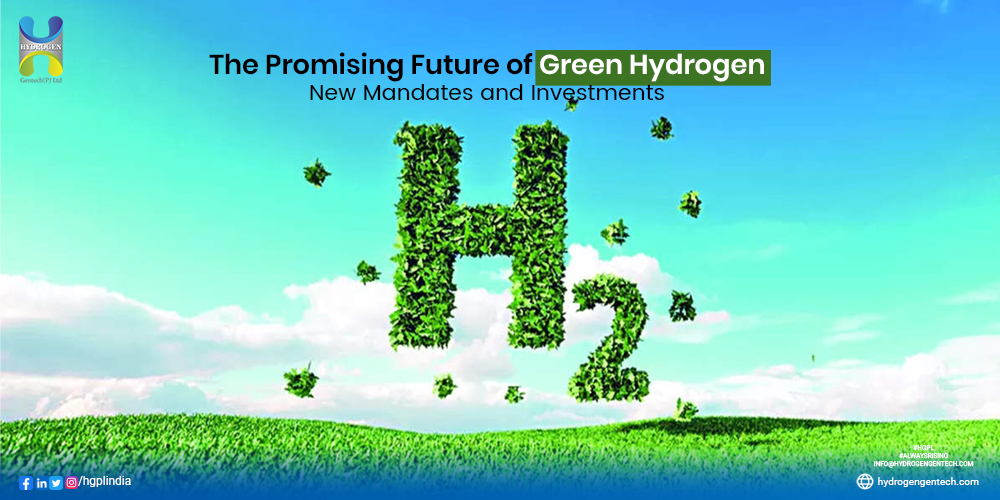
Green hydrogen, a sustainable and carbon-neutral alternative to traditional hydrogen production methods, is gaining traction worldwide. In a move that could accelerate the development of a green hydrogen ecosystem, the government is reportedly considering mandating the consumption of green hydrogen in sectors such as fertilizer and refining industries. This article explores the potential impacts of such mandates, the current cost challenges, and the expected future viability of green hydrogen. Let’s delve into the details.

The Need for Mandated Green Hydrogen Consumption Obligations
While fiscal incentives like those in the Strategic Interventions for Green Hydrogen Transition (SIGHT) program have encouraged investment in green hydrogen, industry experts believe that mandating consumption obligations (GHCO) in sectors already utilizing hydrogen could further stimulate early adoption. A report by Kotak Institutional Equities suggests that compulsory GHCO for sectors currently producing and consuming traditional grey hydrogen could fast-track investments in the green hydrogen value chain.

Accelerating Investments in the Green Hydrogen Chain
To kickstart the transition to green hydrogen, the government is considering firm GHCO announcements for hard-to-abate sectors such as fertilizer and refining industries. These sectors are significant contributors to greenhouse gas emissions and can benefit greatly from adopting green hydrogen. By specifying a minimum share of green hydrogen consumption, the government aims to create bulk demand and scale up green hydrogen production. In the coming years, other industries such as steel, long-range heavy-duty mobility, energy storage, and shipping will also be encouraged to pilot projects using green hydrogen as a replacement for fossil fuels.

Challenges of Cost Competitiveness
One of the main challenges hindering the widespread adoption of green hydrogen is its current cost compared to grey hydrogen produced from natural gas. Refiners, for example, may not find an immediate advantage in switching to green hydrogen due to its higher cost. Green hydrogen is not yet competitive with grey hydrogen for the production of ammonia-based fertilizers either. However, increased reliance on green hydrogen has the potential to reduce natural gas usage in both the fertilizer and refining sectors. Experts believe that beyond 2030, the costs of green hydrogen are expected to become more competitive, thus expediting the transition.

The Role of the National Green Hydrogen Mission (NGHM)
The National Green Hydrogen Mission (NGHM) plays a crucial role in fostering the growth of green hydrogen in India. Although the final version of the NGHM does not specify consumption obligations for each sector, it emphasizes the creation of bulk demand and the scaling up of green hydrogen production. The NGHM proposes pilot projects for sectors like steel, long-range heavy-duty mobility, energy storage, and shipping to identify operational issues, technology readiness, regulations, implementation methodologies, and infrastructure requirements. The findings from these projects will pave the way for future commercial deployment.

The Trajectory and Decision-Making Process
The Empowered Group, led by the Cabinet Secretary, will determine the year-wise trajectory of the minimum share of green hydrogen consumption. This decision-making process will consider factors such as the availability of resources for green hydrogen production, relative costs, and other relevant considerations. By carefully planning the trajectory, the government aims to ensure a smooth transition to green hydrogen while optimizing resources and addressing any challenges that may arise.

Emission Norms and Accreditation
To maintain the integrity of green hydrogen, the government has already notified the green hydrogen standard, which defines emission norms for hydrogen to be classified as green. These standards require emissions throughout the production process to remain below two kg of CO2 equivalent per kg of hydrogen produced as a 12-month average. The Bureau of Energy Efficiency (BEE) has been designated as the nodal authority for accrediting agencies responsible for monitoring, verification, and certification of green hydrogen production projects.

Industry Response and Investments
Despite the slow pace of progress, several corporations, including Reliance, have already embraced green hydrogen and announced investment plans. As the industry gains momentum, investment in green hydrogen is expected to increase significantly. The government’s move towards mandates for green hydrogen consumption is likely to attract further investments, creating new opportunities and driving economic growth.

Conclusion: A Green Hydrogen Revolution
The government’s potential announcement of mandates for green hydrogen consumption in key sectors marks a significant step towards building a sustainable and carbon-neutral future. While cost competitiveness remains a challenge, the transition to green hydrogen offers immense potential for reducing greenhouse gas emissions and curbing reliance on traditional energy sources. As the National Green Hydrogen Mission unfolds, pilot projects and technological advancements will drive the commercial deployment of green hydrogen, unlocking a new era of clean energy.
For more information about the latest developments in the green hydrogen industry and the government’s initiatives, stay tuned to our blog for regular updates.


Additional Information: Green Hydrogen is expected to revolutionize the energy sector by providing a sustainable alternative to fossil fuels. With its potential to decarbonize various industries and reduce greenhouse gas emissions, green hydrogen has gained significant attention globally. India’s push towards mandating green hydrogen consumption obligations underscores its commitment to sustainable development and combating climate change. By embracing green hydrogen, India can position itself as a leader in the clean energy transition while reaping the economic benefits of investments and job creation.