Hydrogen News Archives | Hydrogengentech

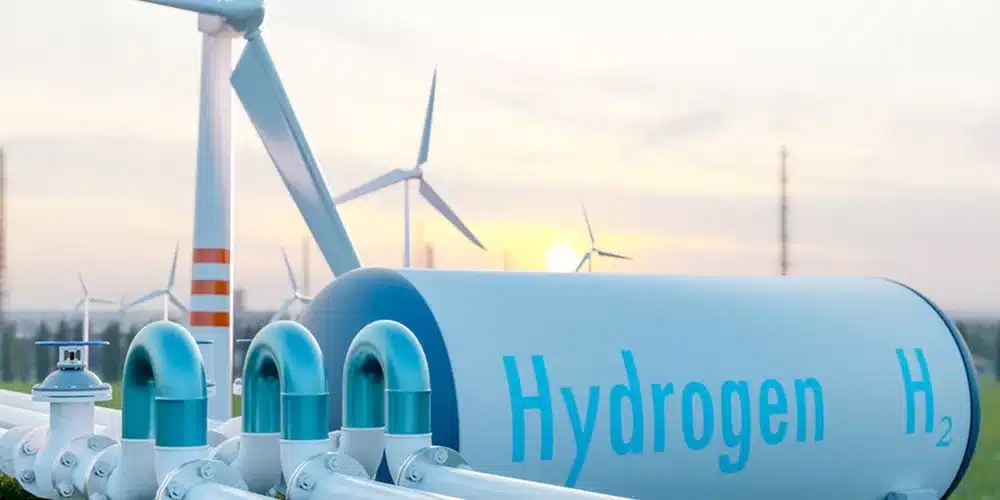
hydrogen-pipeline-hydrogen-fuel-tank-with-wind-turbines-farm-green-power-environmental-protection-concept.webp

February 17, 2025by Team HGPL0

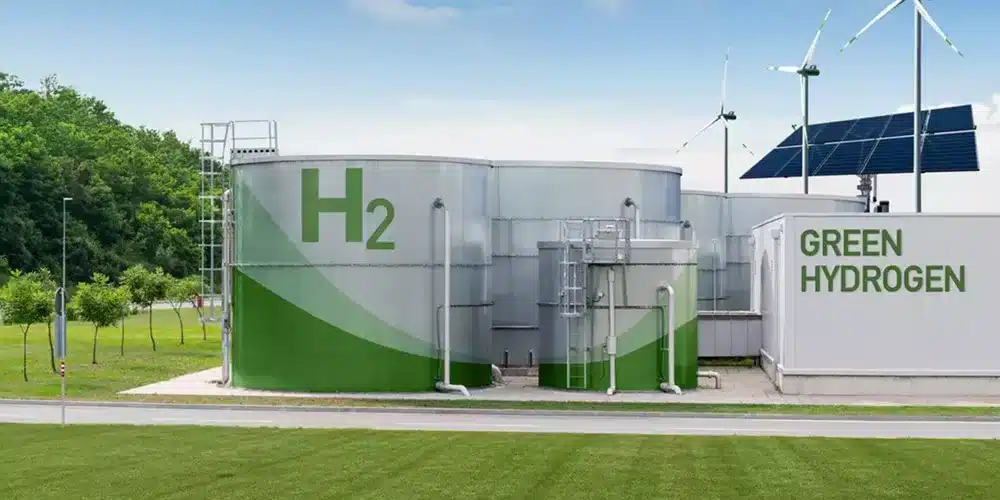
As hydrogen gains global traction, businesses across manufacturing, refining, and heavy industries are exploring how best to integrate this fuel into their operations. One of the key decisions lies in choosing between green hydrogen and blue hydrogen—two cleaner alternatives to conventional grey hydrogen. While both offer substantial emission reductions, their production methods, infrastructure needs, and long-term benefits vary. This article helps B2B stakeholders evaluate the best fit based on strategy, sustainability, and scalability.

Quick Definitions

  • Green Hydrogen: Produced via electrolysis of water using renewable energy (solar, wind, hydropower). Has zero carbon emissions.

  • Blue Hydrogen: Produced from natural gas through steam methane reforming (SMR) but paired with carbon capture and storage (CCS) to reduce emissions.

Key Comparison Table

Criteria Green Hydrogen Blue Hydrogen
Carbon Footprint Zero emissions Low (80–90% CO₂ captured)
Feedstock Water + Renewable Energy Natural Gas + CCS
Tech Maturity Emerging, scaling fast Mature, commercially proven
Long-Term Cost Falling rapidly with RE & electrolyzer scale Potentially high due to gas & CCS upkeep
Public Perception Very positive Mixed – considered transitional

Factors B2B Businesses Must Consider

1. Regulatory Landscape & Incentives

  • Governments are aggressively promoting green hydrogen through subsidies, mandates, and tax breaks. India’s National Green Hydrogen Mission, the EU’s Hydrogen Strategy, and the U.S. Inflation Reduction Act all provide policy tailwinds.

  • Carbon taxation and stricter emission norms could reduce blue hydrogen’s cost competitiveness over time.

2. Use Case Fit & Deployment Timeline

  • Blue hydrogen offers near-term scalability using existing gas infrastructure and SMR technology.

  • Green hydrogen is ideal for long-term ESG goals, especially for industries looking to fully decarbonize supply chains.

  • Energy-intensive users (like ammonia, refineries, steel) may use blue hydrogen as a stopgap but should chart a green transition path.

3. Infrastructure Compatibility

  • Blue hydrogen benefits from repurposing natural gas pipelines, compressors, and SMR facilities.

  • Green hydrogen may require new investments in electrolyzer capacity, RE integration, and hydrogen logistics (storage, trailers, pipelines).

  • However, on-site green hydrogen generation using modular skids bypasses the need for hydrogen transport altogether.

4. Cost Dynamics & ROI Potential

  • Green hydrogen costs are dropping sharply due to falling solar/wind tariffs and electrolyzer CAPEX reductions.

  • Blue hydrogen may face rising costs due to natural gas volatility, methane leakage concerns, and CCS complexity.

  • For manufacturers in renewable-rich zones (e.g., Rajasthan, Gujarat), green hydrogen offers superior ROI over the long term.

Strategic Insights for EPCs and Industrial Operators

EPC & Engineering Firms

  • EPC players can develop Balance of Plant (BoP) solutions around green hydrogen, bundling electrolyzers, purification units, and power integration.

  • Adding modularity and remote monitoring enhances scalability and operational safety.

Industrial Manufacturers

  • Businesses located in RE-surplus areas can explore on-site green hydrogen generation to reduce Scope 1 and 2 emissions.

  • Industries with high hydrogen demand (e.g., chemical, fertilizer, steel) can create hybrid models—blue for baseload, green for ramp-up.

Public Procurement & Global Perception

  • Green hydrogen projects are often prioritized in public-sector tenders, joint ventures, and international supply chains.

  • From a brand equity standpoint, green hydrogen enhances climate leadership and investor confidence.

Conclusion

There’s no universal winner in the green vs. blue hydrogen debate. Both have roles to play in the near term. However, from a futureproofing and ESG-alignment perspective, green hydrogen stands out. Its cost parity with grey/blue hydrogen is nearing faster than predicted, making it a sustainable and strategic choice.

For B2B decision-makers, choosing green hydrogen means:

  • Staying ahead of carbon regulations

  • Tapping into international green funding

  • Enhancing long-term competitiveness

Investing early in green hydrogen is not just a sustainability move—it’s a business advantage in the making.


freepik__expand__10977.webp

February 7, 2025by Team HGPL0

In a world racing toward decarbonization, hydrogen has taken center stage as the fuel of the future. Yet, the logistics of hydrogen supply chains often pose barriers to adoption. This is where on-site hydrogen generation becomes a game-changing solution—offering industries autonomy, cost-efficiency, and alignment with sustainability mandates. From EPC contractors and industrial plant owners to renewable project developers, on-site generation presents both operational and strategic value.

What Is On-Site Hydrogen Generation?

On-site hydrogen generation refers to the process of producing hydrogen gas directly at the point of consumption, rather than transporting it from central production facilities. Most commonly, this is achieved using water electrolysis powered by renewable energy sources such as solar or wind. Other methods include natural gas reforming or methanol reforming, though green hydrogen via electrolysis is preferred for sustainability.

The core equipment for this setup includes an electrolyzer, balance of plant (BoP) systems like gas-lye separators and purification units, and a skid-mounted or modular containerized setup for easy integration. These systems are designed to scale with demand and can be fully automated with remote monitoring features.

Why Industries Are Shifting to On-Site Generation

Heavy industries often depend on hydrogen for refining, metal processing, glass production, semiconductor manufacturing, and ammonia synthesis. Traditionally, this hydrogen is supplied via gas cylinders or tanker trucks. However, these supply chains introduce risks—ranging from delays and storage hazards to cost fluctuations.

On-site generation addresses these concerns by providing a decentralized, reliable, and cleaner hydrogen source. It enables uninterrupted operations, minimizes dependence on third-party logistics, and reduces carbon emissions associated with hydrogen transportation.

Key Industrial Sectors Benefiting from On-Site Hydrogen

Steel and Metallurgy

Steelmakers are adopting hydrogen to replace coking coal in Direct Reduced Iron (DRI) processes. On-site hydrogen plants can be co-located with steel mills to ensure a continuous, high-purity supply. This also reduces the emissions footprint significantly, helping plants meet EU’s Carbon Border Adjustment Mechanism (CBAM) requirements.

Refineries and Petrochemical Plants

Refineries use large volumes of hydrogen for hydrocracking and hydrotreating. Generating hydrogen on-site using green energy helps reduce Scope 1 and 2 emissions. Skid-mounted hydrogen generation systems can be retrofitted into existing refining infrastructure with minimal disruption.

Electronics and Semiconductor Manufacturing

Ultra-high purity hydrogen is essential for chip fabrication and other semiconductor processes. On-site production reduces the risk of contamination during transit and enables 24/7 availability with real-time monitoring.

Glass and Ceramics

These industries require consistent high-temperature heat. Hydrogen combustion offers a low-emission alternative to natural gas or diesel-based heating. With on-site generation, companies can maintain tight control over fuel input quality and flow.

Fertilizer and Ammonia Plants

Traditionally, hydrogen for ammonia production comes from natural gas (via SMR). On-site green hydrogen systems allow producers to make low-carbon ammonia, which is increasingly in demand as both a fertilizer and hydrogen carrier.

Technological Components That Power On-Site Hydrogen Generation

Electrolyzers

Electrolyzers split water into hydrogen and oxygen using electricity. PEM and alkaline electrolyzers are most common. HGPL’s systems support both technologies with proven European designs for efficiency and scalability.

Balance of Plant (BoP) Systems

These include hydrogen purification units, gas-lye separators, heat exchangers, compressors, and safety instrumentation. HGPL manufactures fully integrated BoP skids that adhere to ISO 9001:2015 and can be customized for flow rates and purity.

PLC-Based Control Panels

Advanced automation through PLC and SCADA ensures optimal performance, real-time diagnostics, and operational safety. These systems can be remotely monitored for predictive maintenance.

Business Advantages of On-Site Hydrogen Generation

Implementing an on-site hydrogen system is more than a sustainability play—it’s a strategic move that offers long-term operational and financial advantages.

  • Cost Control: Avoids recurring transportation and cylinder refilling costs.

  • Reliability: Reduces downtime caused by delivery delays or shortages.

  • Scalability: Modular systems grow with your production needs.

  • Safety: Minimizes high-pressure gas handling and storage risks.

  • Brand Positioning: Strengthens ESG profile and investor appeal.

Incentives for Indian Businesses

Under India’s National Green Hydrogen Mission, several subsidies and incentives are being offered for green hydrogen adoption, including:

  • Capital subsidies for electrolyzer installation

  • Viability gap funding for green hydrogen projects

  • Policy push for public procurement of green hydrogen in steel, fertilizer, and transport sectors

HGPL supports clients in navigating these incentives through feasibility studies and DPR support.

As the world accelerates toward sustainability, on-site hydrogen generation offers a flexible, cost-effective, and future-ready solution. It enables industries to control their energy inputs, meet compliance standards, and reduce carbon emissions—all while staying competitive.

Hydrogen Gentech Private Limited (HGPL) provides turnkey on-site hydrogen generation solutions—including design, fabrication, commissioning, and maintenance—tailored to diverse industrial needs. As one of India’s leading hydrogen EPC firms, we empower businesses to lead in the green transition. Let’s build the hydrogen future, together.


FAQs 

How much space is required for an on-site hydrogen generation unit?

Depending on the capacity and design, a typical containerized skid occupies between 100–300 square feet. Modular systems can be stacked or expanded based on site constraints.

Is the hydrogen generated on-site safe?

Yes. Modern systems are equipped with leak detection, pressure relief valves, and explosion-proof enclosures. Automated shutdowns and remote alerts enhance safety.

What is the purity of on-site produced hydrogen?

HGPL systems deliver up to 99.999% purity using advanced Deoxo dryers and purification skids, compliant with industrial-grade requirements.

Can I integrate solar or wind with the electrolyzer?

Absolutely. Our PLC-integrated systems support renewable energy inputs and optimize electrolyzer operation based on power availability.


H2-001-png.webp

December 31, 2024by Team HGPL0

The year 2024 has been a transformative one for green energy, particularly green hydrogen. As the global community intensifies its efforts to combat climate change, advancements in renewable energy infrastructure, policy support, and technological innovation have taken center stage. However, the year also brought challenges, highlighting the need for continued collaboration and investment. Here’s a comprehensive look at the major developments in 2024, blending data, insights, and narratives to engage and inform.


  1. A Record-Breaking Year for Renewable Energy

2024 saw unparalleled growth in renewable energy infrastructure:

  • Wind Energy:
    • The UK reached a remarkable milestone with wind power generating a record 22.5 GW, underscoring the nation’s commitment to phasing out fossil fuels.
  • Solar Energy:
    • Solar power solidified its position as the world’s most cost-effective energy source, with countries like India and China leading large-scale installations.
  • Battery Storage Expansion:
    • In the U.S., battery storage capacity surged by 71%, reaching 24 GWh, enabling greater integration of renewable energy into the grid. Globally, the market saw a 47% rise in installations compared to 2023.


  1. Green Hydrogen: A Game-Changer in the Energy Transition

Green hydrogen emerged as a beacon of hope in 2024, driving decarbonization across industries.

  • Production Growth:
    • Global green hydrogen production rose by over 150%, fueled by significant projects such as:
      • Australia’s HyEnergy Project, which achieved 100 MW electrolyzer capacity in its first phase.
      • Europe’s REPowerEU initiative, targeting 20 million tonnes of green hydrogen annually by 2030.
  • Policy Boosts:
    • The U.S. Department of Energy allocated up to $2.2 billion to accelerate clean hydrogen development, focusing on the Gulf Coast and Midwest regions.
    • India announced a ₹19,744 crore incentive scheme to support green hydrogen production, aligning with its ambitious goal of producing 5 million tonnes by 2030.
  • Corporate Investments:
    • Companies like BP and Reliance Industries committed billions to green hydrogen projects. BP’s Lingen Green Hydrogen Plant in Germany is expected to produce 120,000 tonnes annually.


  1. Challenges and Market Dynamics

While progress was undeniable, challenges remained:

  • High Costs:
    • Green hydrogen production costs ranged from $3 to $6 per kilogram, compared to $1–$2 for grey hydrogen, leading to the cancellation of several projects, particularly in Europe.
    • Achieving cost parity with fossil fuels remains a critical hurdle.
  • Infrastructure Gaps:
    • The lack of a global hydrogen distribution network limited its adoption, requiring further investment in pipelines and storage systems.


  1. Innovations Driving the Future

Technological breakthroughs played a vital role in making green energy and hydrogen more viable:

  • Electrolyzer Efficiency:
    • Advanced electrolyzers achieved a 15% improvement in efficiency, reducing energy consumption during hydrogen production.
  • Perovskite Solar Cells:
    • Researchers achieved efficiencies of 28.5% in perovskite-based solar cells, signaling a potential leap beyond traditional silicon panels.
  • AI in Energy Grids:
    • Artificial Intelligence optimized energy production and distribution, particularly in balancing intermittent renewable sources like wind and solar.


  1. The Bigger Picture: Green Hydrogen’s Global Impact
  • Decarbonization:
    • Green hydrogen has the potential to cut global CO2 emissions by 6 gigatonnes annually by 2050, contributing significantly to climate goals.
  • Employment Opportunities:
    • The sector is expected to create over 700,000 jobs globally by 2030, offering a dual benefit of sustainability and economic growth.


  1. Policy and Public Ownership: Shaping the Future

Governments played a pivotal role in 2024:

  • United Kingdom:
    • Launched Great British Energy, a publicly owned company to invest in renewables and manage clean energy projects.
  • European Union:
    • Introduced the Renewable Hydrogen Directive, requiring 42% of industrial hydrogen use to come from renewable sources by 2030.


A Year of Progress and Promise

The developments in 2024 reflect both the immense potential of green energy and the challenges ahead. Green hydrogen, in particular, emerged as a key player in the global energy transition. However, high costs, infrastructure hurdles, and the need for consistent policy support require continued focus and innovation.

As the world accelerates toward a low-carbon future, collaboration between governments, industries, and communities will be critical. By addressing challenges and capitalizing on technological advancements, green energy and green hydrogen can lead the way in creating a sustainable and prosperous future for all.


Key Numbers from 2024 at a Glance:

  • Global Energy Transition Investment: $1.7 trillion
  • Green Hydrogen Production Growth: +150%
  • U.S. Battery Storage Capacity: 24 GWh (+71%)
  • Potential CO2 Reduction: 6 gigatonnes annually by 2050
  • Employment Opportunities in Green Hydrogen: 700,000 by 2030

The journey is challenging, but the path is clear—green energy is not just a vision; it’s becoming reality. Let 2024 serve as a testament to what the world can achieve together.


freepik__expand__82152-png.webp

December 19, 2024by Team HGPL0

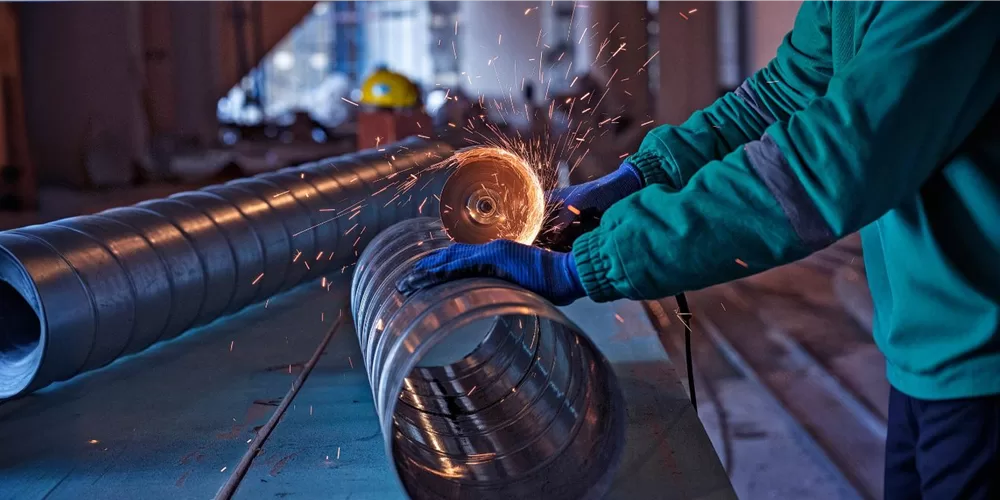
The global race toward carbon neutrality by 2050 has placed a sharp focus on industries responsible for the highest greenhouse gas (GHG) emissions. Among them, the steel industry stands out as a significant emitter, contributing nearly 7-9% of global CO₂ emissions. Given the essential role steel plays in infrastructure, construction, and manufacturing, decarbonizing this sector is crucial for achieving net-zero goals.

This is where hydrogen (H₂) technology steps in as a game-changer. By replacing conventional carbon-intensive processes with green hydrogen-based alternatives, steelmakers can drastically cut emissions. In this blog, we will explore:

  • Why decarbonizing steel production is critical.
  • How hydrogen-based steel production works.
  • The benefits and challenges of using hydrogen in the steel industry.
  • Key players and initiatives driving this transition.


The Need for Decarbonizing the Steel Industry

Traditional steel production relies on blast furnaces that use coke (a carbon-rich fuel derived from coal) to reduce iron ore into molten iron. This process emits large amounts of CO₂ due to both the combustion of coke and the release of carbon from iron ore.

Key statistics:

  • Steel production accounts for 7-9% of global CO₂ emissions.
  • Producing 1 ton of steel using conventional blast furnaces generates approximately 1.8-2.2 tons of CO₂.

With climate agreements like the Paris Agreement and country-specific decarbonization targets, steel producers face mounting pressure to reduce their carbon footprint. Companies and governments are searching for alternatives to coke-based production, and hydrogen-based Direct Reduced Iron (DRI) is emerging as a leading contender.


How Hydrogen Can Decarbonize Steel Production

Hydrogen can revolutionize steel production through the Hydrogen-based Direct Reduction (H-DR) process. Here’s how it works:

  1. Traditional vs. Hydrogen Process
    • Conventional Process: Iron ore is reduced to metallic iron using carbon (coke), releasing large quantities of CO₂.
    • Hydrogen-based Process: Instead of coke, green hydrogen (H₂) is used as the reducing agent. During this process, hydrogen reacts with iron ore (Fe₂O₃) to produce sponge iron (direct reduced iron) and water vapor (H₂O) as a byproduct.

Reaction Formula:
Fe₂O₃ + 3H₂ → 2Fe + 3H₂O

  1. Use of Electric Arc Furnaces (EAFs)
    After the hydrogen-based reduction, the sponge iron is melted using an Electric Arc Furnace (EAF), which runs on renewable electricity instead of coal. This approach eliminates emissions at both the reduction and smelting stages.
  2. Green Hydrogen’s Role
    The key to a truly decarbonized system is the use of green hydrogen, which is produced via water electrolysis powered by renewable energy (solar, wind, hydro, etc.). Unlike grey hydrogen (from natural gas) or blue hydrogen (from natural gas with CCS), green hydrogen has no associated carbon emissions.


Benefits of Hydrogen-Based Steel Production

Switching to hydrogen for steel production offers multiple economic, environmental, and competitive advantages.

1️⃣ Zero-Carbon Steel Production

  • The traditional blast furnace process emits up to 2.2 tons of CO₂ per ton of steel.
  • Hydrogen-based steel production emits zero direct CO₂ (only water vapor is released).
  • This makes it a key enabler for industries and countries to achieve their net-zero carbon targets by 2050.

2️⃣ Reduced Dependence on Fossil Fuels

  • The steel industry is traditionally dependent on coal and coke. By switching to green hydrogen, steelmakers can reduce dependence on fossil fuels, which are subject to price volatility and supply chain risks.
  • Hydrogen can be stored, transported, and used as an on-site energy source, enhancing energy security for steel producers.

3️⃣ Enhanced Competitiveness and Market Differentiation

  • Companies producing “green steel” can charge a premium price as demand for low-carbon steel grows.
  • Eco-conscious customers, especially in automotive, construction, and electronics, are prioritizing sustainable supply chains.
  • Steelmakers producing “green steel” will be able to differentiate their products in the marketplace.

4️⃣ Compliance with Climate Regulations and Incentives

  • Governments are offering carbon credits, subsidies, and grants for decarbonizing industrial sectors.
  • Companies that adopt hydrogen-based processes will face fewer regulatory hurdles and avoid carbon taxes in regions with strict carbon pricing schemes.


Challenges and Barriers to Hydrogen Adoption in Steel Production

While the benefits of hydrogen in steel production are clear, the journey to large-scale adoption is not without hurdles.

1️⃣ High Cost of Green Hydrogen

  • Producing green hydrogen is currently more expensive than grey hydrogen or traditional fossil-fuel-based processes.
  • The cost of producing 1 kg of green hydrogen ranges from $3 to $6 per kg, while grey hydrogen is around $1-2 per kg.

2️⃣ Need for Renewable Energy Scaling

  • Green hydrogen production requires large amounts of renewable electricity to power electrolysis units.
  • Availability of renewable energy must be scaled up significantly to support this shift.

3️⃣ Retrofitting Existing Plants

  • Steel plants built for blast furnaces need significant capital investment to transition to hydrogen-based direct reduction and electric arc furnaces (EAFs).
  • Retrofitting existing plants is costly, which could be a barrier for smaller steelmakers.

4️⃣ Hydrogen Storage and Transport

  • Storing and transporting hydrogen is complex, as it requires high-pressure tanks or cryogenic storage.
  • To make hydrogen-based steel production viable, the supply chain for hydrogen must be strengthened.


Key Players and Global Initiatives in Hydrogen Steel

Several large steel producers and technology companies are leading the charge toward hydrogen-based green steel production.

  • HYBRIT (SSAB, LKAB, and Vattenfall – Sweden): World’s first pilot plant producing “fossil-free steel” using green hydrogen.
  • ArcelorMittal (Luxembourg): Announced plans to use Hydrogen-based DRI to achieve carbon-neutrality.
  • Thyssenkrupp (Germany): Developing H2-ready steel plants to reduce carbon emissions.
  • Tata Steel (India/Netherlands): Exploring hydrogen-based technologies for steel production in alignment with India’s net-zero goals.
  • Salzgitter (Germany): Developed the SALCOS (Salzgitter Low CO₂ Steelmaking) initiative to use green hydrogen.

These initiatives demonstrate that the industry is committed to decarbonization through hydrogen. With early adopters taking the lead, it’s only a matter of time before green steel becomes the new normal.


The Road Ahead: Hydrogen for Net-Zero Steel Production

Hydrogen is emerging as a vital tool in the quest to decarbonize the steel industry and meet 2050 net-zero carbon goals. While the shift from traditional blast furnaces to hydrogen-based DRI is capital- and energy-intensive, the long-term benefits in terms of reduced emissions, energy independence, and market competitiveness are undeniable.

What’s Next?

  • Scaling green hydrogen production: Reducing production costs and ensuring sufficient supply.
  • Government support: Subsidies, incentives, and regulatory support to accelerate the transition.
  • Technological innovation: More efficient electrolyzers and hydrogen storage solutions.


Conclusion

The transition to hydrogen-based steel production is essential to achieve the world’s 2050 net-zero targets. Hydrogen can transform the steel industry from one of the largest CO₂ emitters into a clean, green, and sustainable sector. While challenges such as high hydrogen production costs and the need for retrofitting existing plants persist, innovations and support from governments, investors, and industry leaders are driving this transition forward.

For steelmakers, adopting hydrogen-based DRI is more than just an environmental responsibility — it’s a business opportunity to become market leaders in green steel. The journey to decarbonization may be long, but the momentum is building.


Ready to lead the green steel revolution?
Hydrogen Gentech Private Limited (HGPL) is at the forefront of hydrogen production technology, offering custom on-site hydrogen generation systems to support decarbonization efforts in steel, manufacturing, and beyond. Get in touch with HGPL to explore how we can power your journey to a net-zero future.


HGPL-H2-Train-png.webp

November 27, 2024by Team HGPL0

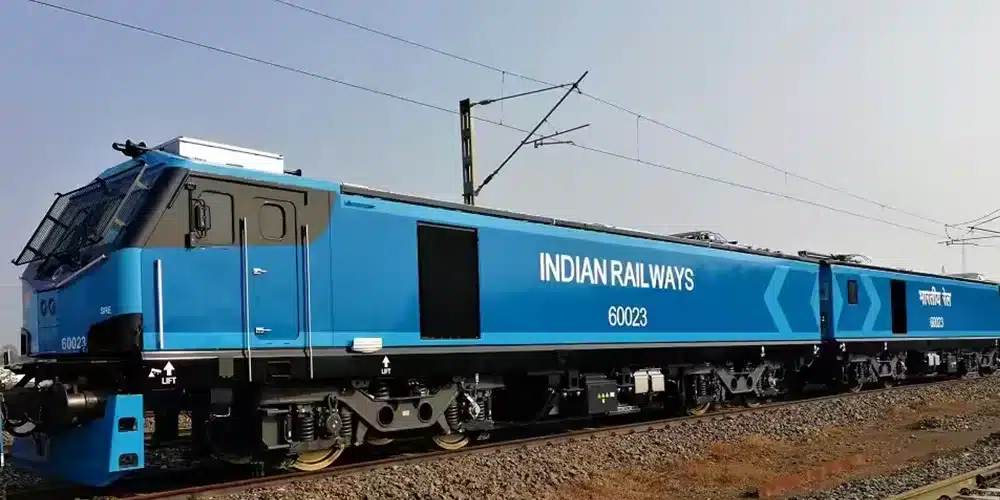
In a significant stride toward sustainable transportation, Indian Railways is set to commence trials of its first hydrogen-powered train in December 2024. This pioneering initiative will take place on the 90-kilometer Jind-Sonipat route in Haryana, marking a pivotal moment in India’s journey toward eco-friendly rail travel.


Hydrogen-Powered Trains: A Green Revolution

Hydrogen trains operate by utilizing fuel cells that combine hydrogen and oxygen to generate electricity, with water vapor as the only emission. This technology offers a zero-emission alternative to traditional diesel engines, significantly reducing greenhouse gas emissions and contributing to cleaner air quality. The adoption of hydrogen fuel cells aligns with Indian Railways’ ambitious goal of achieving net-zero carbon emissions by 2030.


Trial Route and Operational Details

The initial trial will be conducted on the Jind-Sonipat route in Haryana, covering a distance of 90 kilometers. This route was selected due to its moderate traffic and well-developed infrastructure, providing an ideal setting to evaluate the train’s performance, safety, and operational capabilities.


Technical Specifications and Performance

The hydrogen-powered train is expected to achieve a maximum speed of 140 km/h, offering a swift and comfortable journey for passengers. Each hydrogen fuel tank will enable the train to travel up to 1,000 kilometers before needing to refuel, making it suitable for longer routes in the future.


Infrastructure and Investment

Developing hydrogen-powered trains involves significant investment in both rolling stock and infrastructure. Each train is estimated to cost approximately ₹80 crore, with an additional ₹70 crore required for building the necessary infrastructure, including hydrogen storage facilities and dedicated refueling stations. Indian Railways is collaborating with domestic and international partners to develop hydrogen production and storage capabilities, ensuring the successful implementation of this sustainable transport initiative.


Future Expansion Plans

Following successful trials, Indian Railways plans to expand its hydrogen train services to other parts of the country, with 35 hydrogen trains expected to run across various routes by 2025. These trains will primarily operate on non-electrified routes, which currently rely on diesel engines, ensuring a cleaner and greener rail network.


Global Context and India’s Commitment

With this initiative, India joins a select group of countries, including Germany and China, that have successfully integrated hydrogen-powered trains into their transportation systems. Germany, for instance, has already deployed commercial hydrogen trains, demonstrating the viability of the technology. India’s move toward hydrogen trains reflects its commitment to adopting global best practices while addressing its unique challenges.


Conclusion

The introduction of hydrogen-powered trains in Haryana signifies a transformative step in India’s transportation sector. By embracing this green technology, Indian Railways is not only addressing environmental concerns but also paving the way for innovation and economic growth in the green energy sector. This initiative underscores the railways’ dedication to balancing progress with environmental responsibility, moving steadily toward a cleaner, greener future.


WhatsApp-Image-2024-10-02-at-12.47.57-PM-jpeg.webp

November 13, 2024by Team HGPL0

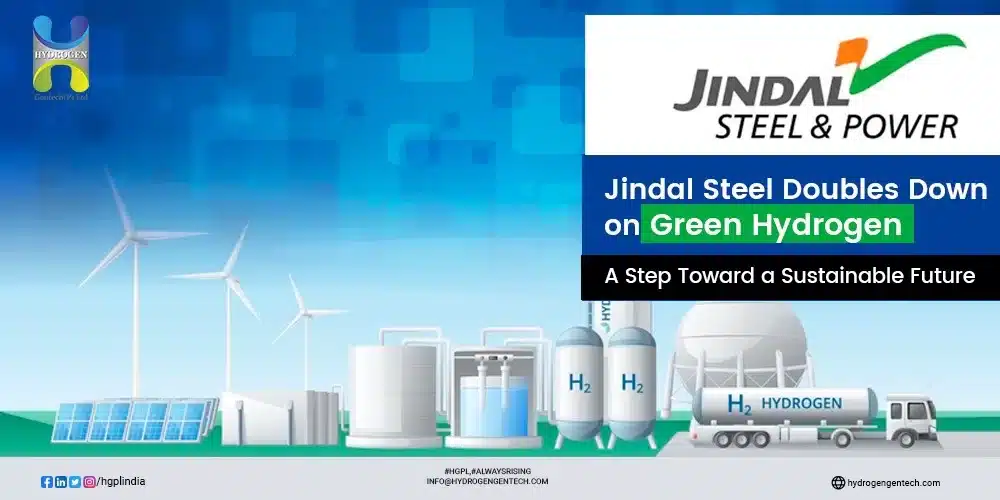
As industries worldwide shift toward sustainable practices, the steel sector is under increasing pressure to reduce its carbon footprint. Jindal Steel and Power Ltd (JSPL), one of India’s leading steelmakers, is rising to the challenge by placing green hydrogen at the center of its decarbonization strategy. In collaboration with Jindal Renewables (JRPL), JSPL is setting a new standard for clean steel production and paving the way for the industry’s transition to a low-carbon future.

This commitment not only aligns with India’s National Hydrogen Mission but also emphasizes JSPL’s leadership role in the movement toward greener industrial processes. Let’s explore how JSPL is leveraging green hydrogen to advance a sustainable future.


Green Hydrogen: A Catalyst for Sustainable Steel Production

Steel production is one of the largest sources of industrial carbon emissions, primarily due to the reliance on coal and natural gas. Traditionally, the Blast Furnace-Basic Oxygen Furnace (BF-BOF) method, which depends on coal as a reducing agent, has been the industry standard. However, green hydrogen—a form of hydrogen produced using renewable energy—offers a revolutionary alternative. When used in the Direct Reduced Iron (DRI) process, green hydrogen can replace fossil fuels and eliminate most carbon emissions associated with traditional steel production.

Jindal Steel’s adoption of green hydrogen is more than a trend—it’s a commitment to a clean, energy-efficient production process that drastically reduces its carbon footprint. This initiative is a model for the industry, showing that steel production can become part of a sustainable, low-emission economy.


Strategic Partnership with Jindal Renewables: Decarbonization in Action

On September 16, 2024, JSPL and JRPL formalized their partnership through a Memorandum of Understanding (MoU), aimed at implementing green hydrogen in JSPL’s DRI units in Angul, Odisha. This collaboration is set to establish India’s largest domestic green hydrogen investment by a steelmaker, with JRPL set to produce up to 4,500 tonnes of green hydrogen annually. Additionally, JRPL will supply around 3 GW of renewable power, further reducing JSPL’s reliance on coal-powered electricity by an estimated 50% within the next few years.

With the project expected to launch by December 2025, Jindal Steel’s operations in Angul will soon integrate sustainable practices that reduce emissions, stabilize energy demands, and pave the way for a greener steel industry.


The Impact of Green Hydrogen on JSPL’s Sustainability Goals

  1. Significant Carbon Emission Reduction:
    The primary benefit of green hydrogen in steel production is the reduction of CO₂ emissions. By incorporating green hydrogen and renewable energy, JSPL aims to substantially cut its emissions, aligning with both national and global carbon reduction targets. This move positions JSPL as a front-runner in the journey toward low-emission steelmaking.
  2. Enhanced Energy Efficiency:
    Green hydrogen is produced using renewable energy, making it a cleaner and more energy-efficient resource compared to traditional fuel sources. JRPL’s provision of 3 GW of renewable energy, alongside green hydrogen production, will bolster JSPL’s energy efficiency, ensuring cleaner and more sustainable operations across its facilities.
  3. Long-Term Economic Benefits and Job Creation:
    JSPL’s strategic investment in green hydrogen and renewable energy is expected to yield substantial economic benefits, especially as global demand for low-emission products rises. Moreover, the green hydrogen project will generate jobs across the supply chain, contributing to India’s green economy and promoting the development of a skilled workforce.
  4. Leadership in Sustainability and Innovation:
    JSPL’s commitment to green hydrogen sets a new benchmark for sustainability within the steel industry, both in India and globally. By pioneering green hydrogen production and usage, JSPL reinforces its brand as a leader in responsible manufacturing practices—a quality increasingly valued by environmentally conscious clients and investors.


Aligning with India’s National Green Hydrogen Mission and Global Goals

JSPL’s green hydrogen strategy is in alignment with India’s National Green Hydrogen Mission, which aims to establish the country as a global hub for green hydrogen. The mission envisions India’s role as a leader in sustainable energy, with targets to decarbonize industrial sectors like steel, refineries, and cement. By leading this initiative, JSPL is not only supporting national goals but also contributing to international efforts to mitigate climate change and promote cleaner energy sources. This initiative strengthens India’s position as a key player in the global green hydrogen economy and serves as a blueprint for other industries looking to transition to sustainable energy sources.


A New Era of Sustainable Steel Production

The steel industry is at a critical juncture. To remain competitive and compliant with evolving environmental regulations, companies must invest in technologies that reduce their carbon footprint and improve energy efficiency. By partnering with Jindal Renewables to implement green hydrogen production and renewable power, JSPL is setting a transformative example for the industry. Sanjay Singh, Director of Strategy and Corporate Affairs at JSPL, aptly described the collaboration as a “testament to [JSPL’s] unwavering commitment to sustainable development and innovation.”

This investment in green hydrogen is not without challenges—high initial capital costs, infrastructure demands, and the current expense of green hydrogen production all pose obstacles. Yet, as technology advances and demand grows, these costs are expected to decrease. For companies like JSPL, early adoption of green hydrogen represents both an economic and environmental advantage, ensuring a long-term competitive edge in a rapidly changing industry.


As India’s focus on renewable energy intensifies, Hydrogen Gentech Private Limited (HGPL), a leader in manufacturing green hydrogen balance-of-plant systems, is positioned to support this transformative shift toward cleaner energy. With a deep commitment to innovation and sustainable practices, HGPL is ready to meet the rising demand for robust green hydrogen infrastructure, both in India and globally.

Hydrogen Gentech Private Limited (HGPL): Powering the Green Hydrogen Future

At Hydrogen Gentech, we are driven by innovation, sustainability, and engineering excellence. With extensive experience in designing and manufacturing green hydrogen balance-of-plant solutions, we’re proud to contribute to India’s green energy mission. Our plants are crafted to be scalable, highly efficient, and flexible, meeting the unique needs of industries seeking to decarbonize and transition to a more sustainable future.


Conclusion

Jindal Steel’s bold move into green hydrogen marks a new chapter in India’s steel industry, where environmental responsibility and industrial efficiency converge. Through its commitment to green hydrogen and renewable energy, JSPL is setting a strong precedent for sustainable manufacturing, inspiring other companies to adopt cleaner technologies and champion a low-carbon future. As the world’s need for sustainable solutions grows, JSPL’s pioneering investment in green hydrogen and renewable energy underscores the steel industry’s potential to drive meaningful change in global sustainability efforts.


HGPL_19_Blog-jpg.webp

September 16, 2024by Team HGPL0

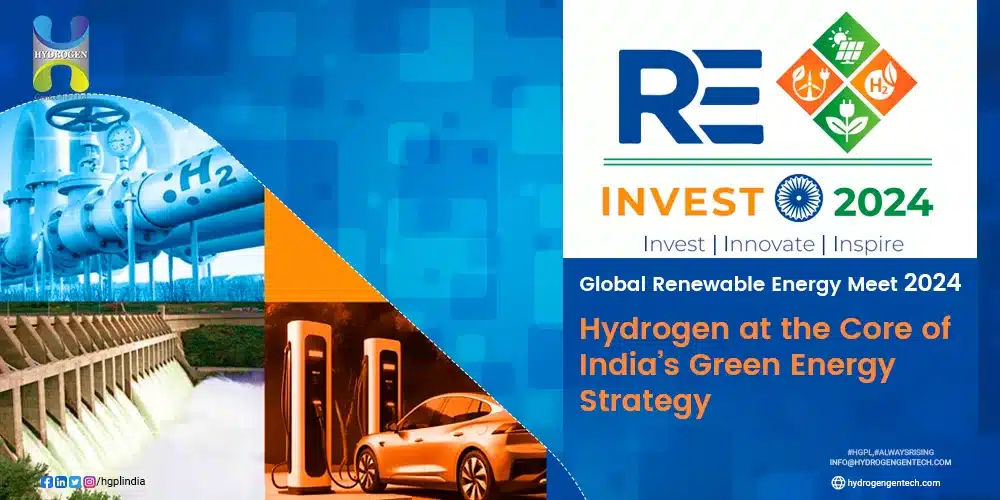
The recent Global Renewable Energy Meet held in Gandhinagar put India’s green hydrogen ambitions in the spotlight. As world leaders and industry experts converged at the event, hydrogen-related discussions and announcements became the highlight of the expo, underscoring India’s evolving role in the global green energy landscape.

With Prime Minister Narendra Modi inaugurating the event, the message was clear: India is committed to becoming a global leader in green energy, and hydrogen, particularly green hydrogen, is at the core of this transition.


Key Hydrogen-Related Announcements and Discussions


Green Hydrogen as the Future of India’s Energy Security
At the Global Renewable Energy Meet, green hydrogen took center stage as the potential fuel of the future. One of the key themes across the discussions was how hydrogen can decarbonize industries that are traditionally difficult to transition, such as steel, cement, and chemical manufacturing. India’s focus is on making green hydrogen the backbone of its energy security plan, ensuring long-term sustainability while reducing its dependence on fossil fuels.

Prime Minister Modi and other leaders at the meet stressed the urgency of scaling green hydrogen production. India’s hydrogen strategy is primarily based on leveraging the country’s abundant solar resources to produce green hydrogen using electrolysis, a method that splits water molecules using renewable electricity. By capitalizing on its natural advantages, India aims to drastically reduce hydrogen production costs and become a global hydrogen hub.


Hardeep Singh Puri: 5 Million Tonnes of Green Hydrogen by 2030
Union Minister of Petroleum and Natural Gas, Hardeep Singh Puri, laid out an ambitious target during his address, announcing that India aims to produce 5 million tonnes of green hydrogen annually by 2030. This milestone is part of India’s broader National Hydrogen Mission, which is expected to receive significant investments to establish India as a major player in the global hydrogen market.

Puri emphasized the importance of hydrogen in India’s future energy mix, especially in sectors such as transportation, where hydrogen fuel cells could play a transformative role. The government has already put in place incentives and policy frameworks to attract both domestic and foreign investments in green hydrogen. Key incentives include production-linked incentives (PLI) for hydrogen electrolyzers and reduced taxes on hydrogen-based projects.

By investing in hydrogen infrastructure, the Indian government also aims to create a robust supply chain, covering production, storage, and distribution, which will ensure long-term energy security while simultaneously meeting the country’s net-zero emission goals by 2070.


Hydrogen Economy: Driving Job Creation and Industrial Growth
Beyond energy security, Puri also pointed out the socio-economic benefits that the hydrogen sector could bring to India. The rapid scaling of hydrogen production, storage, and distribution will potentially create thousands of new green jobs across the value chain.

These jobs will span areas such as manufacturing hydrogen fuel cells, operating hydrogen refueling stations, and producing hydrogen via renewable energy. In turn, this will contribute to the country’s industrial growth and economic development, especially in regions that need investment in clean technologies.


Green Hydrogen Corridors and Infrastructure Expansion
One of the significant announcements during the meet was the government’s plans to establish Green Hydrogen Corridors, similar to those already seen in Europe. These corridors will act as high-capacity infrastructure networks, designed to streamline hydrogen production, storage, and transportation across various states and regions.

This initiative is expected to facilitate the large-scale adoption of hydrogen in industries and transportation, enabling long-haul hydrogen-powered trucks and hydrogen refueling stations for public and private use. Such developments will ensure the scalability of hydrogen as a viable energy source across the country.


Startup Ecosystem to Accelerate Hydrogen Innovation
Union Minister for New & Renewable Energy, Pralhad Joshi, made a critical announcement regarding India’s 2nd International Conference on Green Hydrogen (ICGH-2024), to be held next year. Joshi emphasized the importance of engaging startups and young innovators in this green hydrogen revolution.

He pointed out that startups will play a pivotal role in solving some of the technological challenges that remain in the hydrogen sector, such as reducing the cost of electrolyzers, increasing hydrogen storage efficiency, and improving the scalability of hydrogen refueling stations.

Startups are being encouraged to work in collaboration with research institutions and global players to drive innovation and develop cost-effective hydrogen solutions. This focus on innovation is expected to lower the production cost of green hydrogen in the coming years, making it more competitive with traditional fossil fuels.


Green Hydrogen Financing: New Opportunities
Another important focus area during the meet was innovative financing solutions for green hydrogen projects. With substantial investment requirements for infrastructure and technology development, the conference highlighted how public-private partnerships (PPPs) and blended financing models could unlock funding for large-scale hydrogen projects.

The discussions stressed that financial institutions and green funds will have a key role in financing hydrogen initiatives, especially in the early stages, when the risk is high, but the return is uncertain. Global investors, including delegations from the UAE, USA, and Europe, expressed their interest in participating in India’s hydrogen market, offering both financial backing and technological support.


Export Opportunities for Green Hydrogen
India’s ambitious green hydrogen strategy also includes a plan to export hydrogen to markets in Europe, Japan, and South Korea, where demand for clean fuels is growing rapidly. By becoming a net exporter of green hydrogen, India could secure its place as a leading player in the global hydrogen economy, with major trade partnerships already in discussion during the meet.


Conclusion
The Global Renewable Energy Meet in Gandhinagar was a significant milestone in advancing India’s hydrogen ambitions. With strong government support, an enabling policy environment, and a growing ecosystem of innovators and investors, India is set to be a global leader in green hydrogen production and utilization.

Hydrogen is not just an energy solution for India; it is an opportunity to reshape the country’s energy landscape, reduce emissions, create jobs, and boost economic growth while contributing to the global effort to combat climate change. The announcements and discussions at this event signal a promising future for India’s hydrogen sector, one that will pave the way for a more sustainable and energy-secure world.


HGPL_18_Blog-jpg.webp

August 15, 2024by Team HGPL0

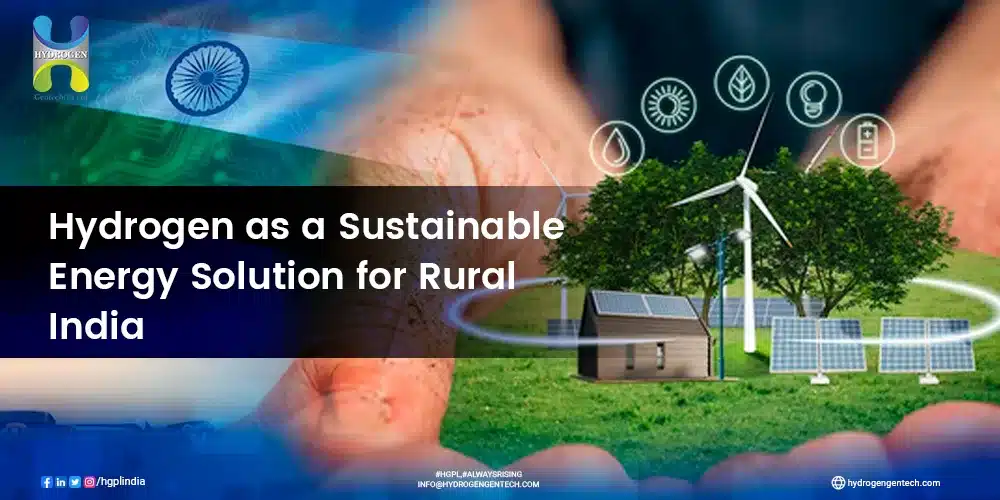
As India strives for universal electrification, energy access in rural areas remains a challenge. Millions still rely on biomass, kerosene, or diesel generators, which are both environmentally damaging and economically inefficient. Amid this gap, hydrogen—particularly green hydrogen—is emerging as a transformative, decentralized energy source tailored for rural India’s needs.

The Rural Energy Dilemma

Rural India faces two core energy problems: unreliability and lack of clean sources. Grid extension to remote areas is often financially unviable due to scattered populations and difficult terrains. Diesel generators, commonly used as backup, are costly and polluting. Solar power, while gaining popularity, suffers from intermittency and storage challenges.

The need is clear: a clean, reliable, and scalable energy solution that can operate independently of the central grid. Hydrogen technology offers just that.

Why Hydrogen Makes Sense for Rural Deployment

Hydrogen offers multiple advantages when deployed at a local level. First, it enables long-duration energy storage, solving the intermittency issue of renewables like solar or wind. Second, it can power not only homes but also water pumps, small industries, and local transportation.

Electrolyzers powered by solar or wind can generate hydrogen on-site, which can be stored in tanks and used via fuel cells to produce electricity on demand. This model creates a closed-loop microgrid with zero emissions and local ownership.

Applications of Hydrogen in Rural Settings

In rural areas, energy demand is more diversified. Households need electricity for lighting, appliances, and cooking. Farms need power for irrigation and cold storage. Local enterprises require a steady power supply for small-scale manufacturing, agro-processing, or carpentry.

Hydrogen can fulfill all these demands:

  • Electricity generation using hydrogen fuel cells for homes and small businesses

  • Hydrogen-powered irrigation pumps to support farming activities

  • Cold chains and refrigeration units in agri-supply chains

  • Fuel for rural transport fleets such as e-rickshaws, small goods carriers, and tractors

Technology Enablers: On-Site Hydrogen Generation

Decentralized hydrogen production is key to rural energy adoption. With falling solar prices and compact electrolyzer technology, villages can install standalone hydrogen units that work in tandem with existing solar mini-grids. These systems generate hydrogen during the day and convert it into power when needed—eliminating the need for expensive batteries or diesel backups.

The BoP (Balance of Plant) systems such as purification units, dryers, and compressors can be skid-mounted and require minimal maintenance, making them viable even in remote terrains. Advanced automation and IoT integration allow remote monitoring and diagnostics.

Policy Support and Government Push

India’s National Green Hydrogen Mission explicitly recognizes the role of hydrogen in distributed rural energy systems. The government is expected to roll out pilot projects in backward regions, especially where grid penetration is low but solar potential is high. Subsidies, viability gap funding, and public-private partnerships will be key drivers.

In addition, initiatives like the PM-KUSUM scheme, which already promotes solar pumps, can be extended to include hydrogen-powered alternatives. This integration will further accelerate hydrogen adoption at the grassroots level.

Socio-Economic Impact of Rural Hydrogen Adoption

The ripple effects of hydrogen adoption in villages go far beyond energy. It improves health outcomes by replacing smoky biomass with clean fuel. It increases agricultural productivity through reliable irrigation. It supports rural entrepreneurship and job creation by powering small businesses.

Moreover, local hydrogen microgrids can be community-owned, empowering Panchayats or farmer groups to generate, manage, and monetize energy locally. This shift builds self-reliance, reduces migration to urban areas, and creates a foundation for rural industrialization.

Addressing the Challenges

Hydrogen adoption in rural areas faces challenges—cost, awareness, and technical capacity being key among them. Initial capex is high, although falling rapidly. Villagers need education on safety and operation of hydrogen systems. Local technicians must be trained in system maintenance.

Public awareness campaigns, skill development programs, and state-level policy frameworks will be essential to address these barriers. Companies like Hydrogen Gentech can play a catalytic role by offering modular, pre-engineered hydrogen solutions bundled with training and after-sales support.

Hydrogen is no longer a solution for the future. For India’s rural energy landscape, it represents a present-day opportunity to leapfrog into a clean, resilient, and locally governed energy era. As policy, technology, and economics align, hydrogen can redefine how India powers its villages—not just with electricity, but with dignity, productivity, and sustainability.

Hydrogen Gentech Private Limited (HGPL) is committed to democratizing access to clean energy. Our compact hydrogen generation units, purification systems, and turnkey EPC services are engineered for decentralized applications. Partner with us to bring India’s hydrogen-powered rural revolution to life.


HGPL_17_Blog-jpg.webp

August 5, 2024by Team HGPL0

Hydrogen technology is no longer just a futuristic concept. It is actively transforming India’s heavy industries by enabling decarbonization, improving energy efficiency, and reducing dependency on imported fossil fuels. For EPC companies, process plant operators, and industrial manufacturers, hydrogen presents a viable path toward long-term sustainability, regulatory compliance, and competitive differentiation.

Why Heavy Industry Needs Hydrogen

India’s industrial backbone—steel, cement, glass, fertilizers, chemicals, and refineries—depends heavily on fossil fuels for high-temperature heat and hydrogen-based processing. These sectors are also some of the highest emitters of greenhouse gases, making them key targets for decarbonization.

Key Pain Points in Traditional Industrial Energy Use:

  • High Scope 1 emissions from coal and natural gas combustion
  • Rising global compliance pressures such as EU’s Carbon Border Adjustment Mechanism (CBAM)
  • Fossil fuel price volatility and dependency on imports

Green hydrogen, produced using renewable energy, provides a clean and flexible alternative that doesn’t compromise process efficiency. It can replace fossil fuels in combustion or serve as a clean feedstock in chemical processes.

Sector-Wise Impact of Hydrogen Technology

1. Steel Manufacturing

Steel accounts for nearly 7% of global CO2 emissions. Hydrogen-based Direct Reduced Iron (DRI) technology eliminates the need for coal in reduction processes.

  • Emission Reduction: Up to 95% reduction in CO2 emissions
  • Industry Movement: Indian giants like JSW Steel, Tata Steel, and ArcelorMittal are piloting hydrogen-based steel production
  • Opportunity for EPC Players: Design and supply of modular hydrogen skids compatible with DRI plants

2. Cement Industry

Cement production requires high-temperature kilns, traditionally powered by coal and petcoke.

  • Hydrogen Use Case: As a combustion fuel to achieve the 1400–1500°C needed for clinker production
  • International Benchmarks: Europe leads in pilot projects—India can replicate these to meet both domestic and export-driven compliance goals
  • Impact: Significant CO2 reductions while maintaining process consistency

3. Refining & Petrochemicals

These sectors consume hydrogen for hydrotreating, hydrocracking, and desulfurization. Today, most of this is grey hydrogen.

  • Shift to Green Hydrogen: Replaces fossil-derived hydrogen with zero-emission alternative
  • Integration Possibilities: On-site electrolyzers and purification units designed for seamless retrofitting
  • Business Benefit: Decarbonization without disrupting process continuity

4. Glass & Ceramics

These industries rely on stable, high-temperature heat and precise temperature control.

  • Hydrogen Solution: Acts as a clean-burning, controllable energy source
  • Thermal Efficiency: Enables better heat distribution with fewer emissions
  • Value Proposition: Cleaner products, lower carbon footprint

5. Mining & Metals

Mining operations often function in remote areas with high reliance on diesel.

  • Hydrogen Applications: Fuel cells for vehicles and generators; on-site H2 generation for off-grid operations
  • Benefits: Lower emissions, quieter operations, longer range for heavy-duty vehicles

Technology Enablers Driving Adoption

Electrolyzer Advancements
Domestic production incentives, lower renewable power tariffs, and newer stack technologies have brought down costs. India’s National Green Hydrogen Mission aims to localize electrolyzer manufacturing.

Modular Skid Systems
Containerized hydrogen generation and purification units allow quick deployment, scalability, and integration with existing industrial infrastructure.

Balance of Plant (BoP) Innovations
Efficient gas lye separators, deoxo dryers, and purification systems ensure safe and stable operation of H2 facilities at industrial sites.

SCADA & Automation
Remote diagnostics, safety interlocks, and digital integration enable reliable, low-maintenance hydrogen operations in large-scale plants.

Key Benefits for Indian Industries

  • Regulatory Compliance: Align with domestic and international emission norms
  • Energy Security: Reduce reliance on imported LNG, coal, and oil
  • Operational Flexibility: Enable hybrid operations alongside conventional systems
  • Brand Positioning: Gain first-mover advantage as a climate-responsible manufacturer
  • Access to Incentives: Capital subsidies, tax breaks, and preferred tendering via the National Green Hydrogen Mission

What Challenges Remain?

Despite the immense potential, Indian industries must overcome certain barriers:

  • Capex Intensity: Electrolyzers, BoP systems, and integration remain capital-intensive
  • Skill Shortage: Lack of certified professionals for hydrogen handling, O&M, and safety protocols
  • Infrastructure: Hydrogen storage, transport, and refueling ecosystems are still nascent

Strategic Solutions:

  • Public-Private Hydrogen Clusters: Shared hubs reduce unit economics and accelerate ecosystem development
  • On-Site Hydrogen Generation: Reduces logistics, losses, and delays
  • Training & Safety Protocols: Skill development programs in partnership with industry bodies and government

Hydrogen is no longer an experimental fuel; it is a practical, scalable energy solution that enables decarbonization, regulatory readiness, and operational efficiency. For India’s heavy industries, this is not just an energy transition—it is a business transformation.

EPC firms, industrial manufacturers, and plant operators that invest in hydrogen-ready infrastructure today will be tomorrow’s leaders in green manufacturing.

Hydrogen Gentech Private Limited (HGPL) supports Indian industries with turnkey EPC solutions for hydrogen generation, purification, and modular Balance of Plant systems. Contact our team to explore how hydrogen can future-proof your operations.


WhatsApp-Image-2024-07-23-at-4.21.19-PM-1-jpeg.webp

July 26, 2024by Team HGPL0

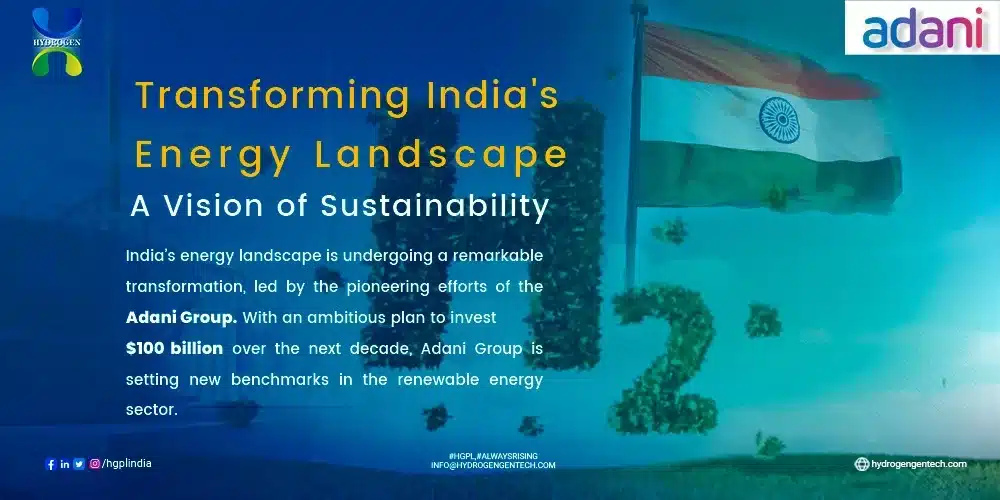
India’s energy landscape is undergoing a transformative shift towards sustainability, largely driven by the pioneering efforts of the Adani Group. With an ambitious plan to invest $100 billion over the next decade, Adani is setting a new benchmark in the renewable energy sector. This monumental investment underscores the group’s commitment to green energy and, through its visionary leadership, catalyzes other companies, such as Hydrogen Gentech Private Limited (HGPL), to contribute to India’s sustainable future.


Adani Group’s Green Energy Vision
Adani Green Energy Ltd. (AGEL) is at the forefront of the Adani Group’s renewable energy initiatives. AGEL’s comprehensive approach, which spans from expanding solar and wind power capacities to developing green hydrogen solutions and integrating advanced energy storage technologies, truly embodies the depth and breadth of Adani’s green energy vision.

1. Expanding Renewable Capacity: AGEL is one of the largest solar power developers globally. It aims to scale up its renewable energy portfolio to 45 GW by 2030, including extensive solar and wind energy projects across India.
2. Green Hydrogen Revolution: Much of Adani’s investment is earmarked for building a robust green hydrogen value chain. The group plans to commercialize 3 million metric tons of green hydrogen annually, leveraging their extensive experience in large-scale renewables and integrated manufacturing capabilities.
3. Technological Innovation: Adani’s forward-thinking approach is evident in its investments in cutting-edge technologies to enhance energy efficiency and storage. The establishment of giga factories for manufacturing solar panels, wind turbines, and hydrogen electrolyzers is a strategic move to drive down costs and promote the widespread adoption of renewable energy.


Inspiring Other Companies: Hydrogen Gentech Private Limited (HGPL)
Adani’s ambitious initiatives serve as a powerful inspiration for other companies in the renewable energy sector. HGPL, for instance, is taking cues from Adani’s leadership and investing in green hydrogen technologies. Here’s how Adani’s example is inspiring HGPL and others:

Focus on Innovation: Hydrogen Gentech Private Limited (HGPL) is developing efficient hydrogen production methods and storage solutions to make hydrogen energy more accessible and cost-effective. By following Adani’s lead, HGPL aims to make hydrogen energy more accessible and cost-effective.

Collaborative Ecosystem: Adani’s comprehensive approach to sustainability encourages other companies to collaborate and innovate. HGPL is leveraging this collaborative spirit to build partnerships that enhance its technological capabilities and market reach.

Economic and Environmental Impact: Adani’s green energy initiatives demonstrate that sustainability can complement economic growth. This dual benefit motivates Hydrogen Gentech Private Limited (HGPL) to invest in renewable energy projects that reduce carbon emissions while creating jobs and driving economic development.

Setting High Standards: Indian hydrogen companies are collectively achieving significant milestones in renewable energy, setting high standards, and fostering a competitive environment. These companies are developing advanced hydrogen technologies, integrating renewable energy sources, and enhancing energy efficiency. They reduce emissions and reliance on fossil fuels by promoting hydrogen use in industrial processes and transportation. Through collaborative projects and public awareness initiatives, these companies are accelerating the adoption of hydrogen solutions, driving India’s transition to a sustainable future, and making substantial contributions to environmental sustainability.


Adani Group’s Green Energy Commitment

Massive Renewable Energy Expansion: AGEL aims to expand its renewable energy portfolio to 45 GW by 2030. This includes large-scale solar and wind projects that are strategically located across India. Adani’s focus on hybrid renewable power generation further enhances the efficiency and reliability of its energy supply.

Investment in Green Hydrogen: A significant portion of Adani’s $100 billion investment is allocated to developing a green hydrogen value chain. Adani is positioning itself at the forefront of this emerging market by commercializing green hydrogen production. Green hydrogen is essential for reducing carbon emissions in hard-to-abate sectors like transportation and heavy industry.

Technological Innovation: Adani is building three giga factories in India to manufacture solar panels, wind turbines, and hydrogen electrolyzers. These factories will reduce costs and ensure a steady supply of critical components for renewable energy projects.


Government Incentives for Green Energy
The Indian government is also playing a crucial role in promoting green energy through various initiatives:
1. National Solar Mission: This initiative aims to establish India as a global leader in solar energy by increasing solar power production.
2. Subsidies and Tax Benefits: The government provides subsidies for installing solar panels and other renewable energy systems. Companies investing in green energy also receive tax benefits.
3. Renewable Purchase Obligations (RPOs): Power distribution companies must purchase a certain percentage of their power from renewable sources.
4. Financial Support: The government offers financial incentives and support for research and development in renewable energy technologies.
5. International Collaborations: India is collaborating with other countries to share knowledge and technology in the field of renewable energy


Conclusion
The Adani Group’s ambitious green energy initiatives are setting a new standard for sustainability in India. By investing heavily in renewable energy, green hydrogen, and technological innovation, Adani is paving the way for a greener future. We at Hydrogen Gentech Private Limited (HGPL), inspired by Adani’s leadership, are also crucial in advancing green energy solutions. Together, these efforts are driving India towards a sustainable and prosperous future.